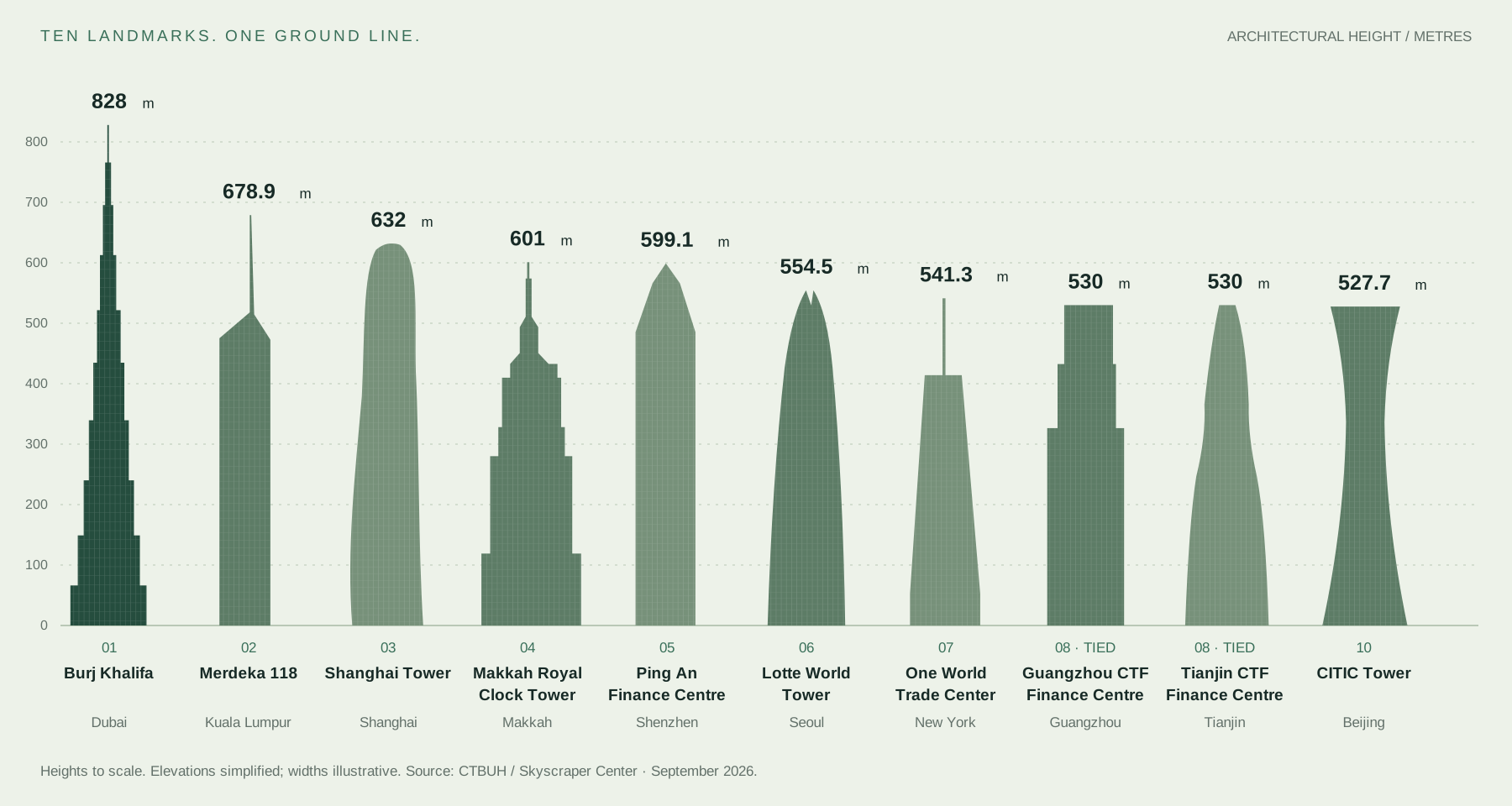
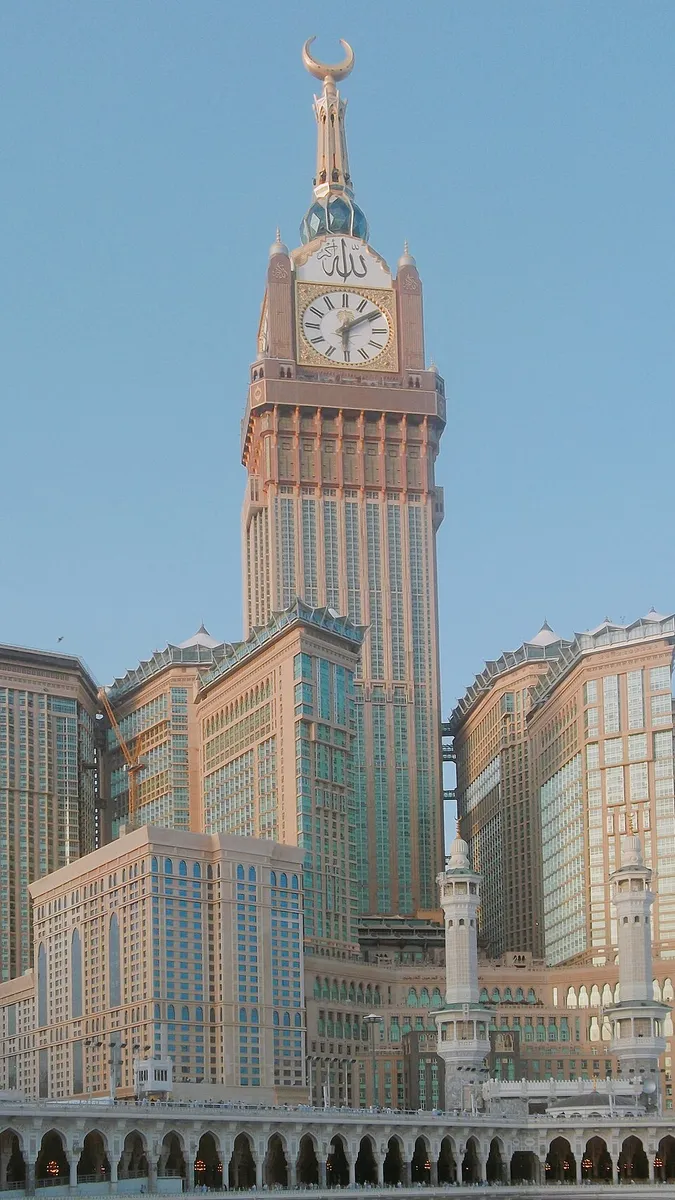
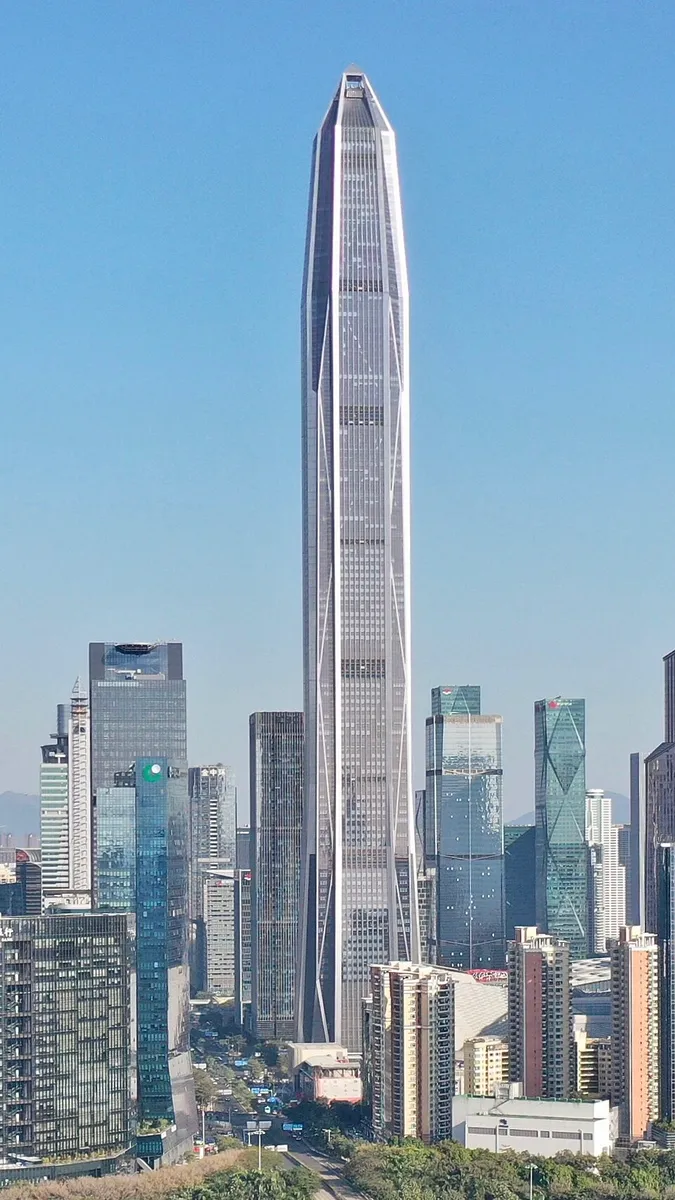
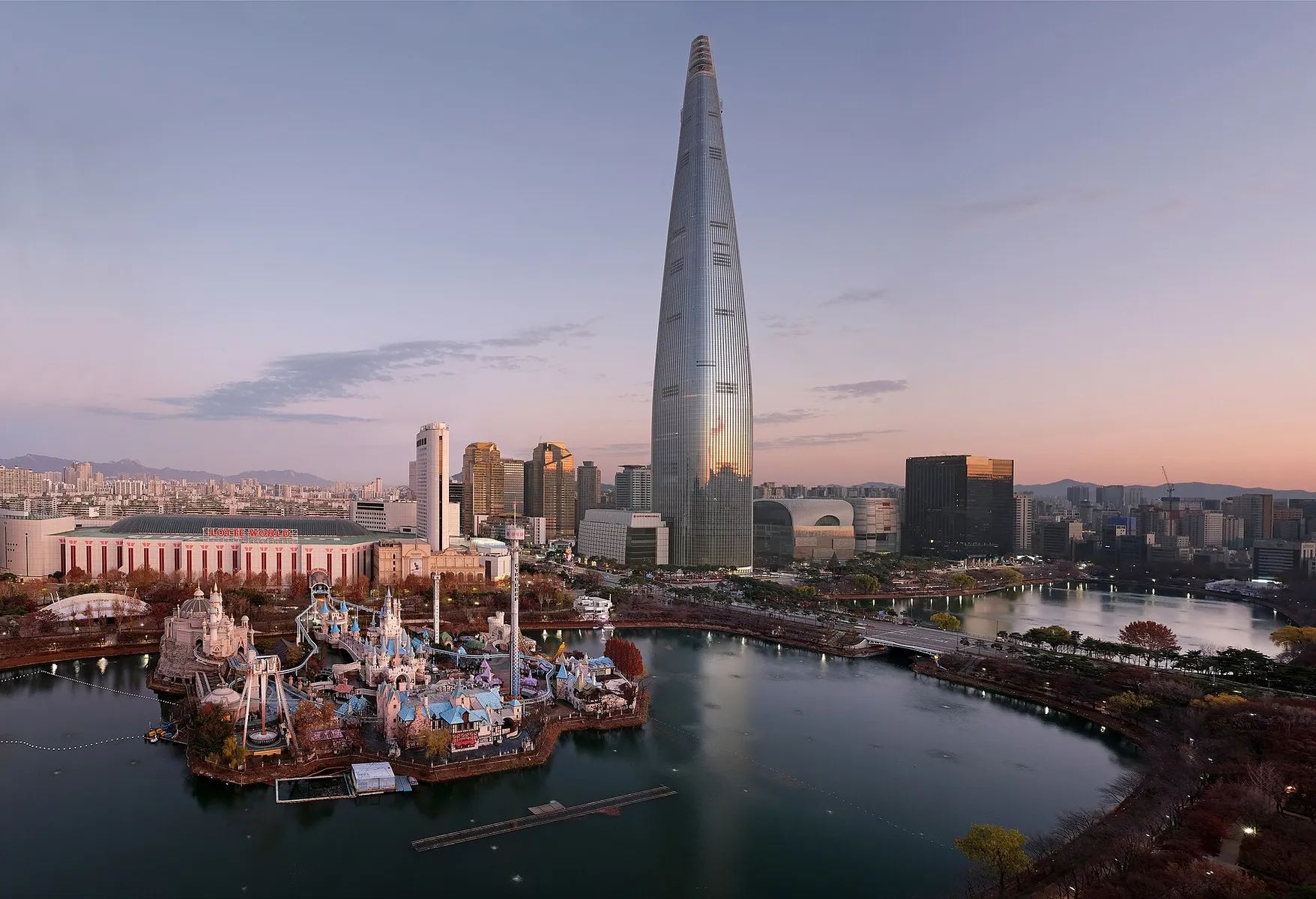
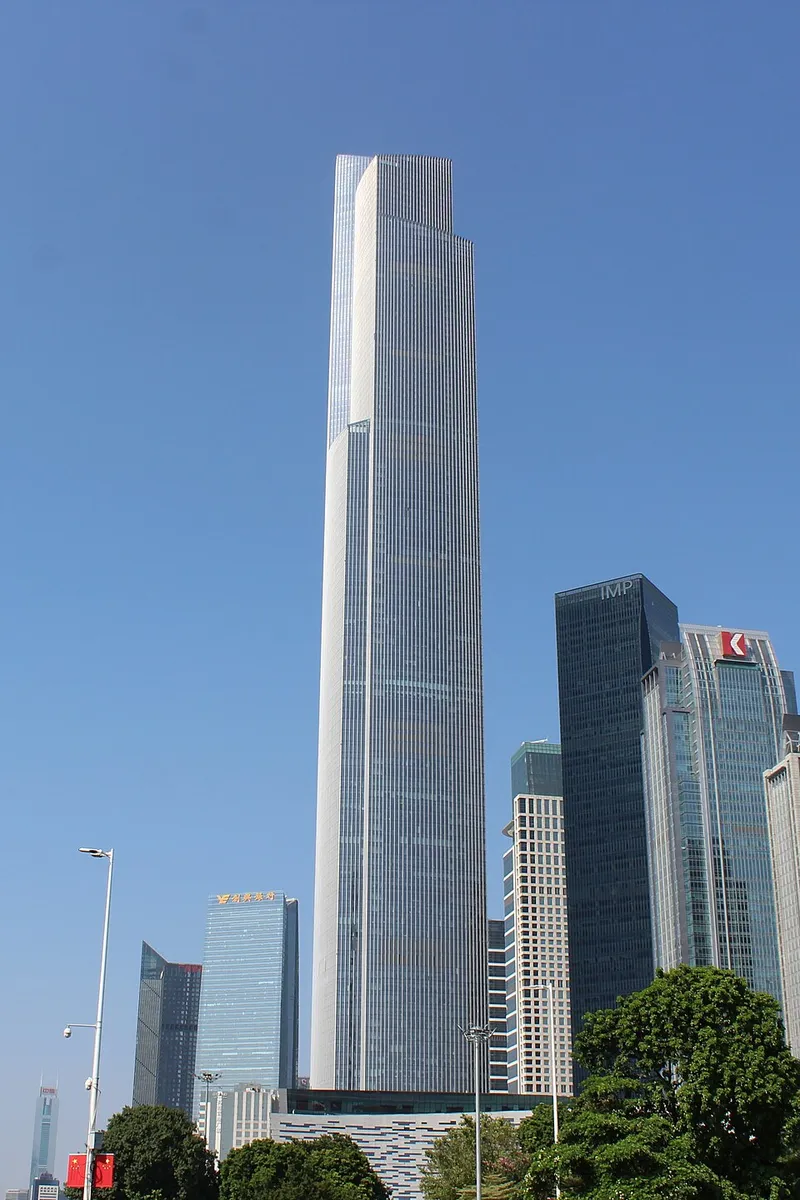
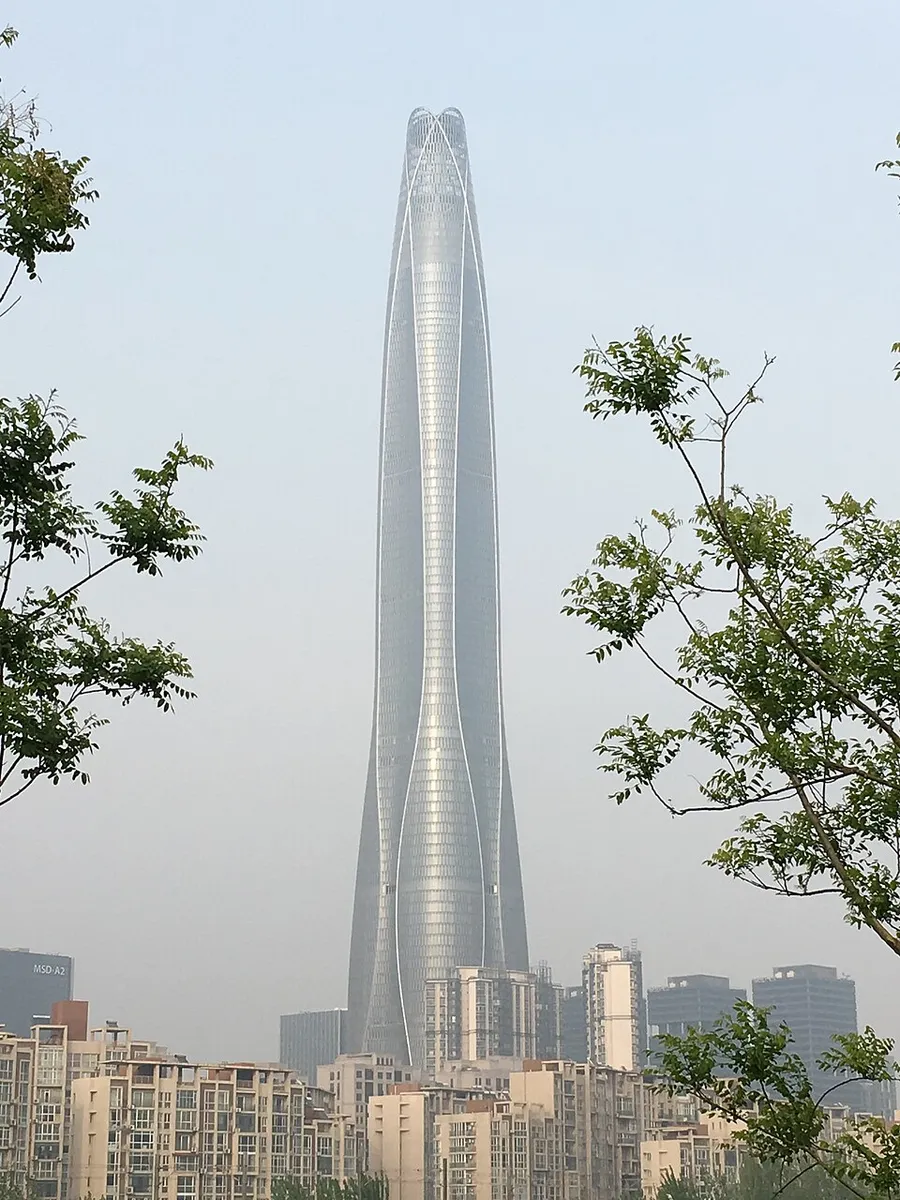
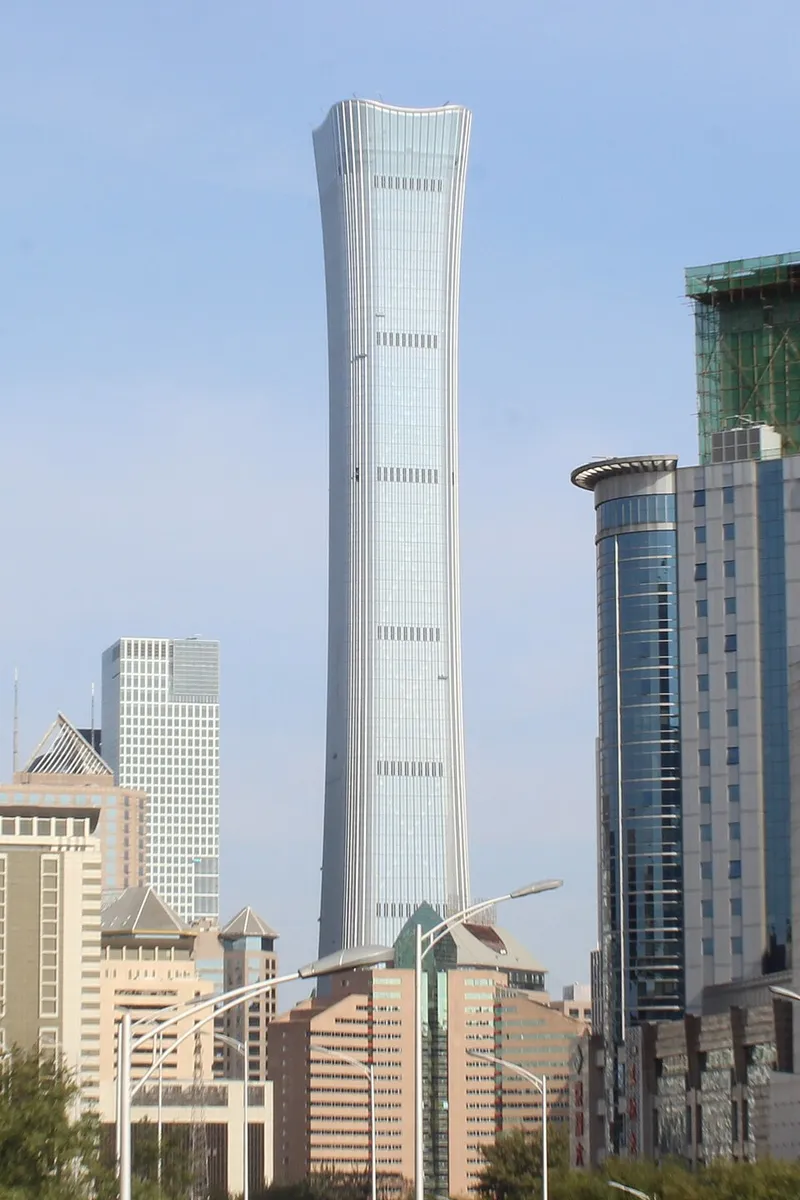
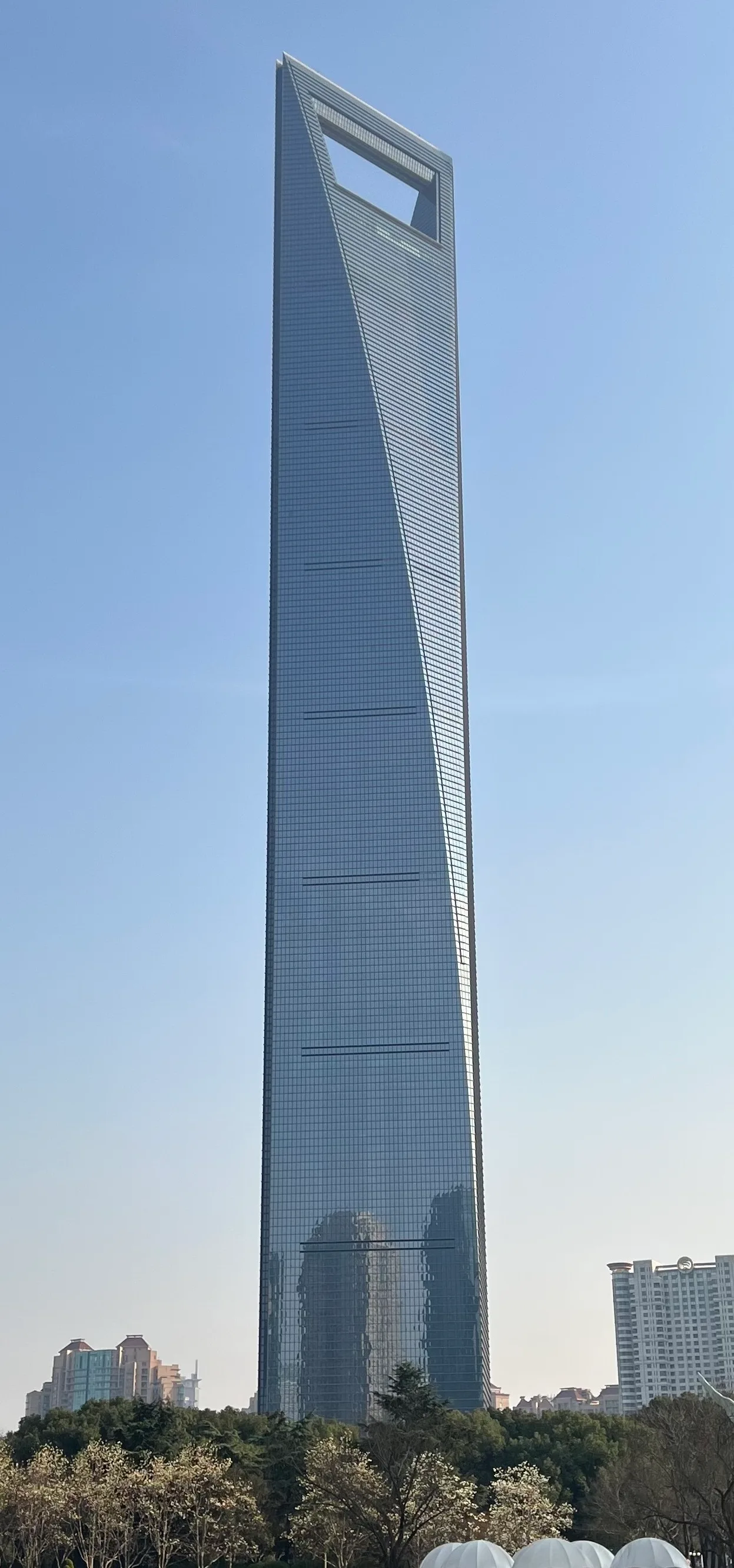
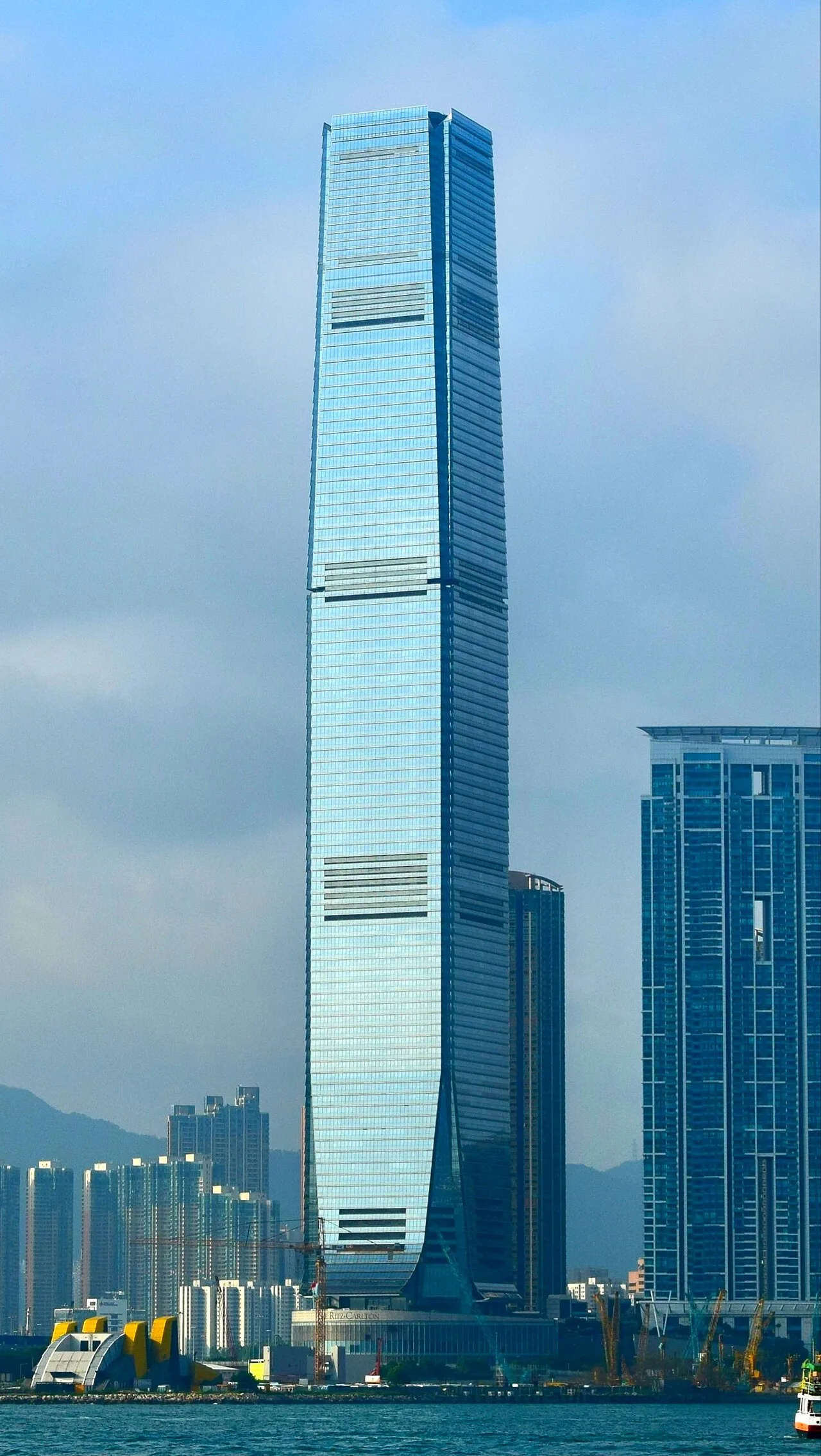
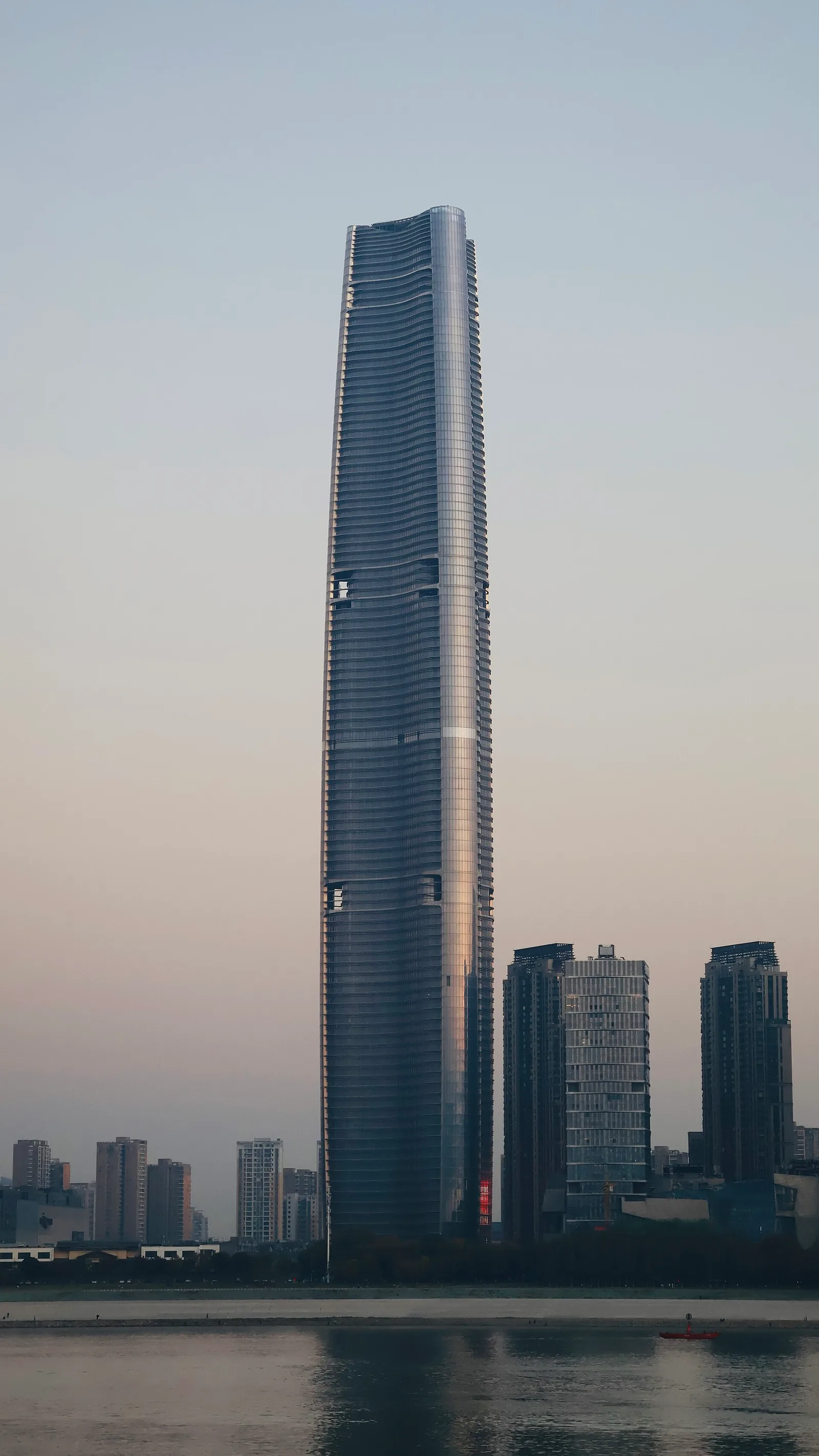
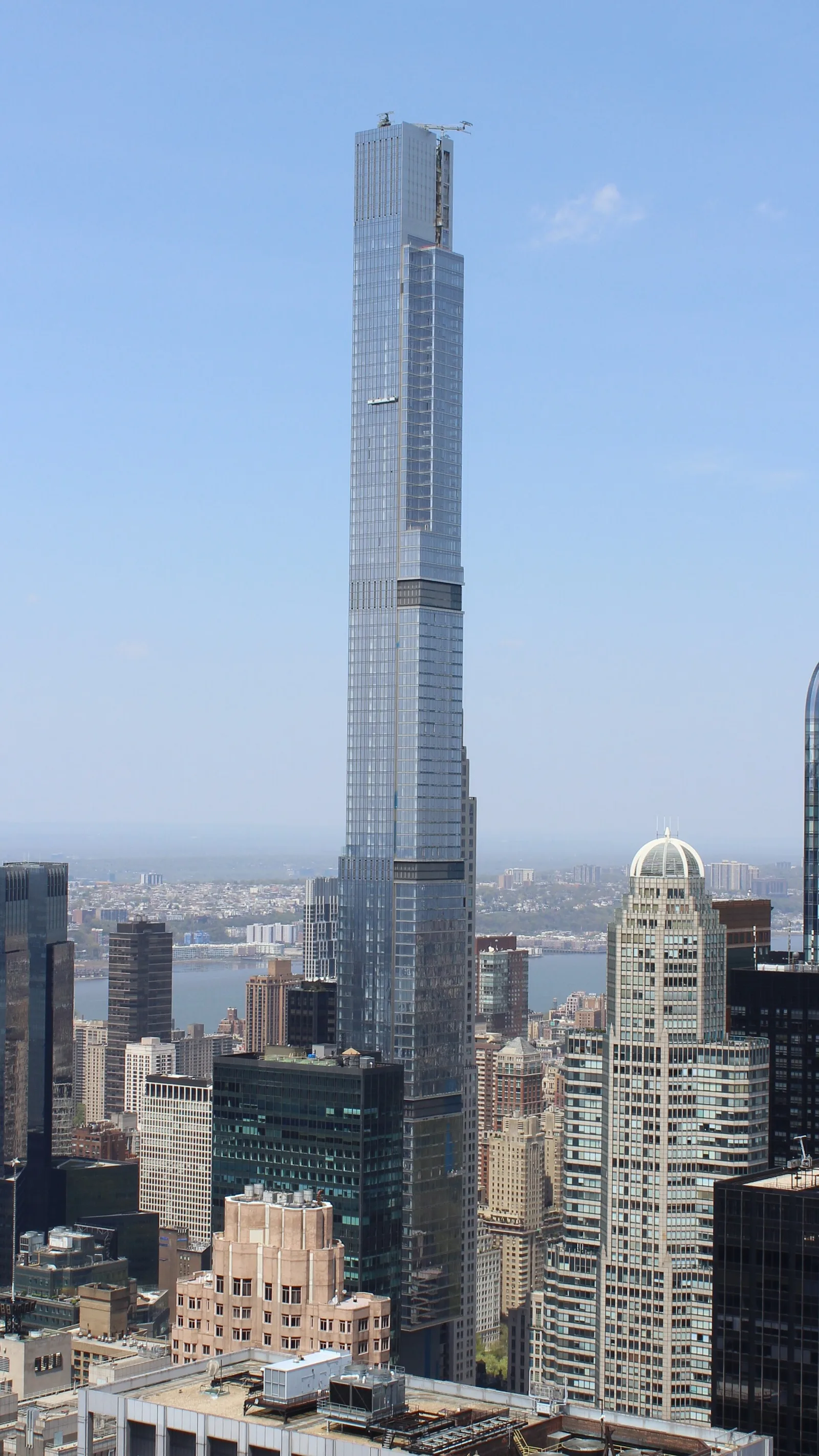
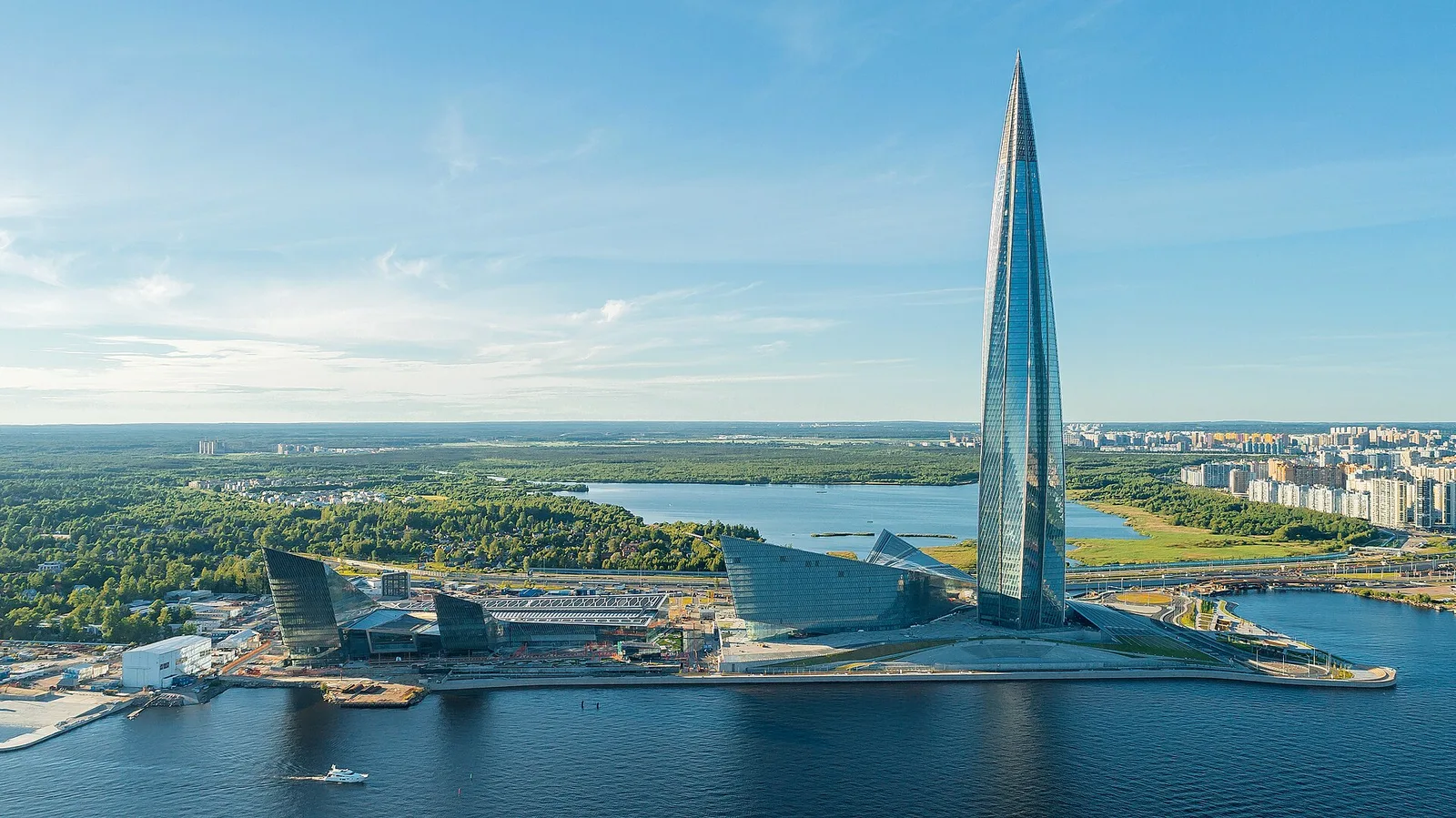
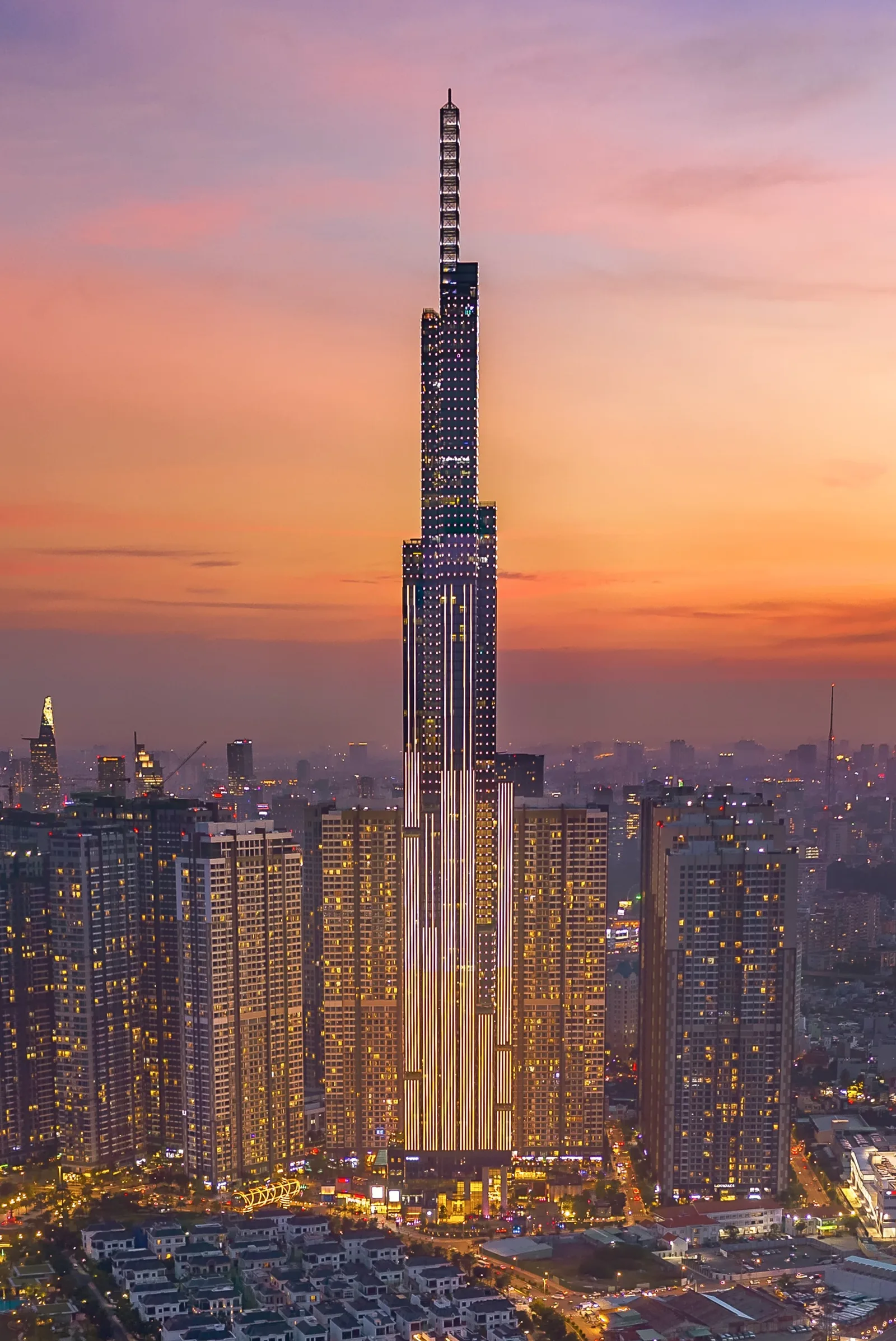
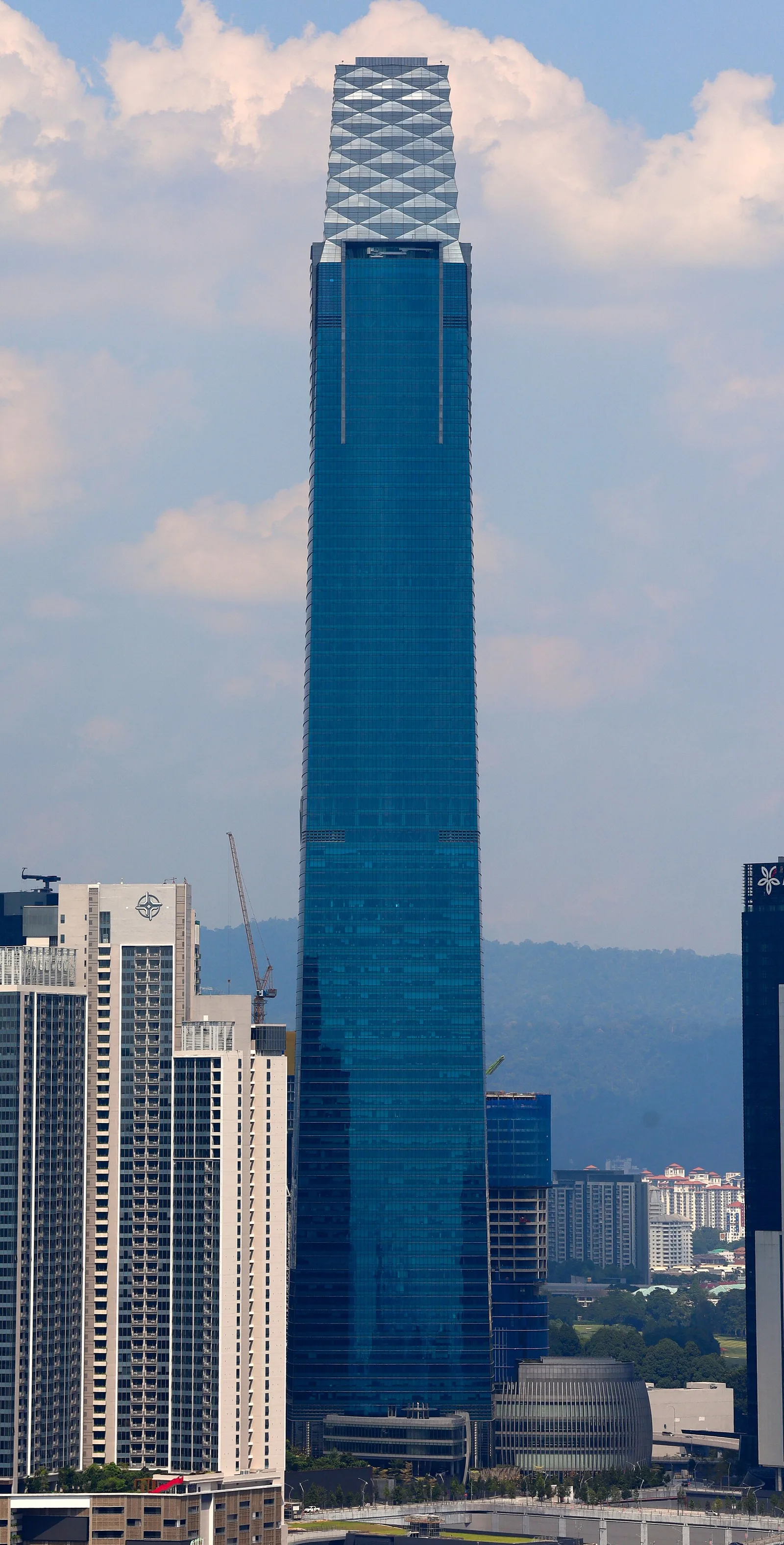
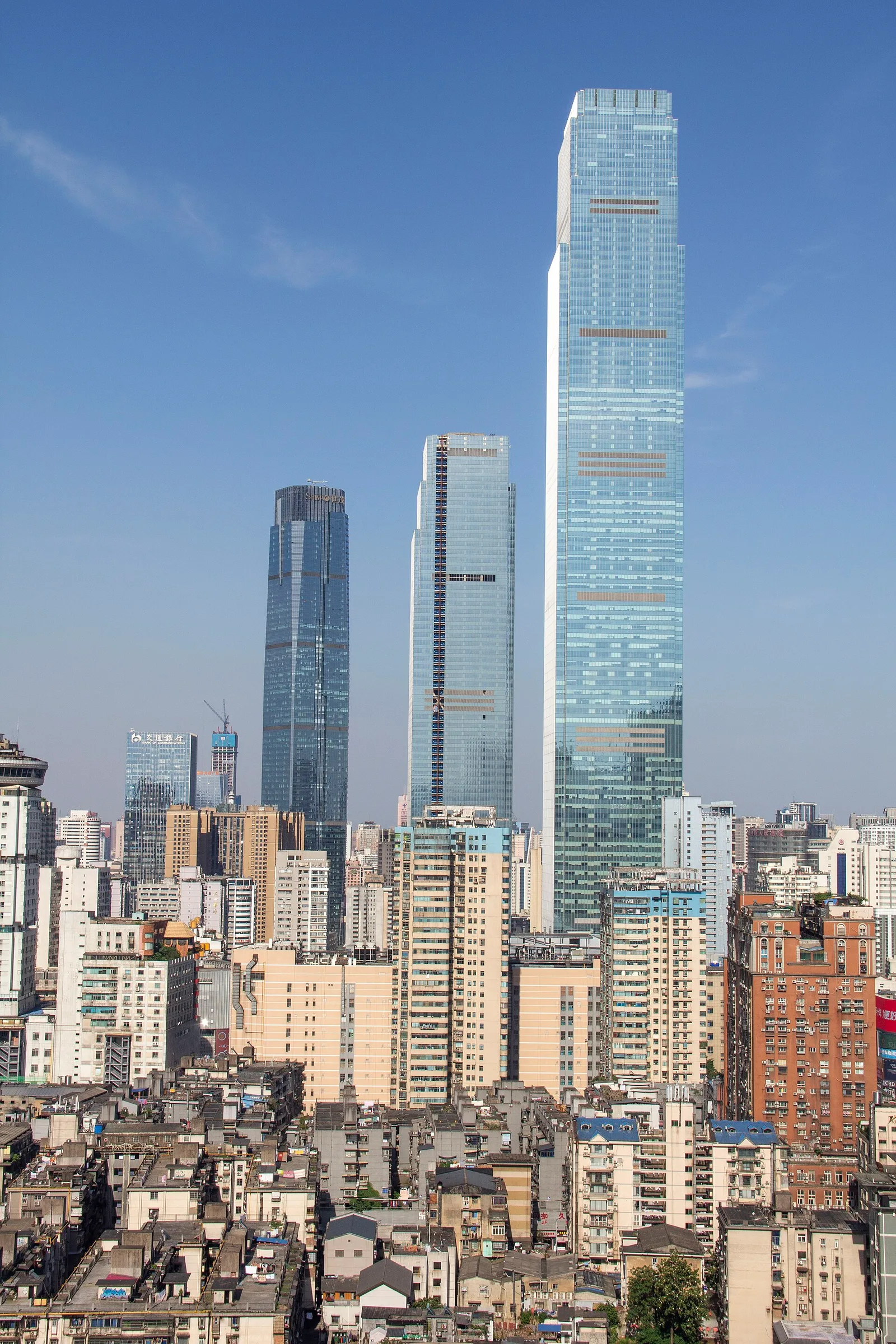
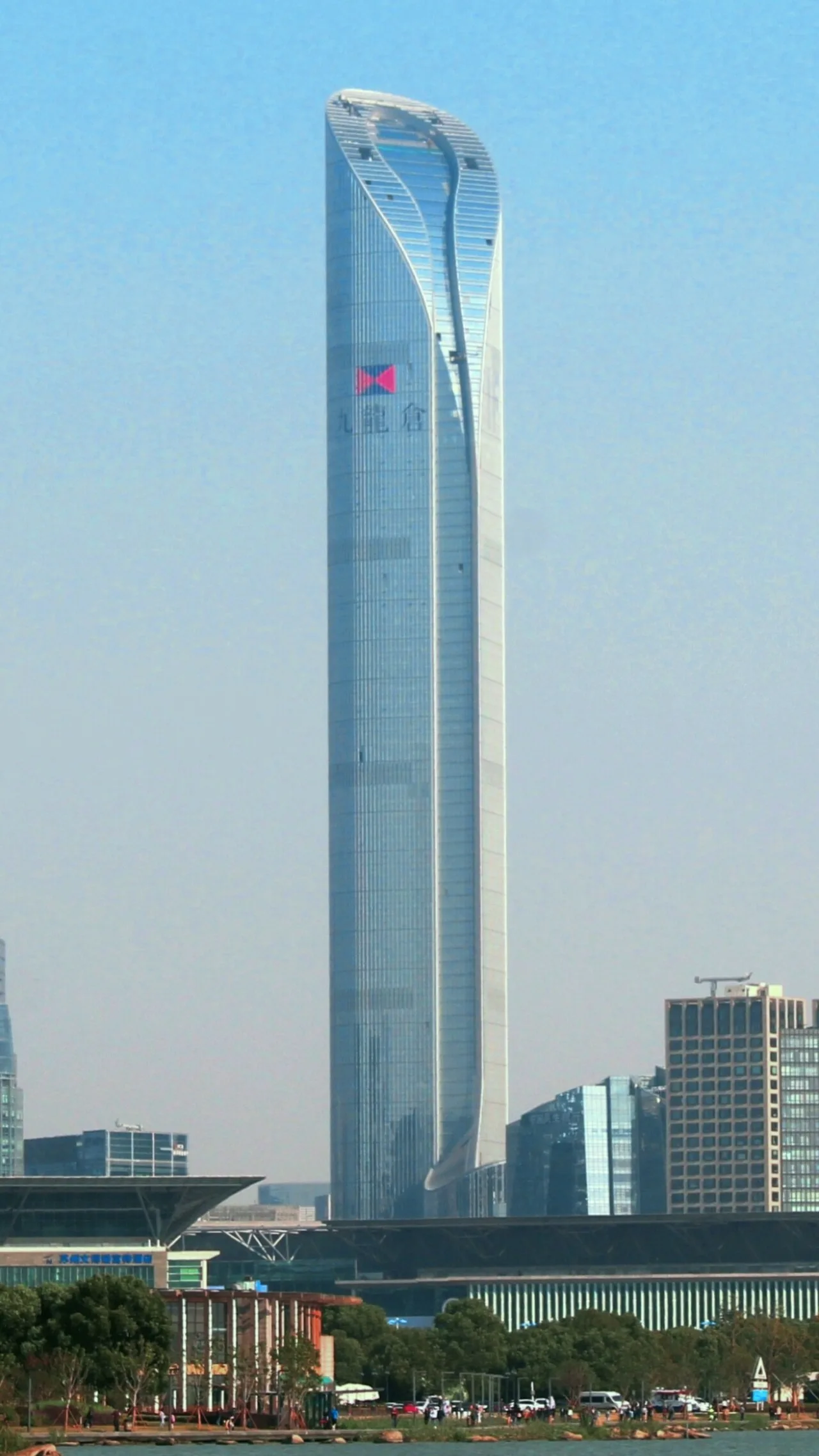
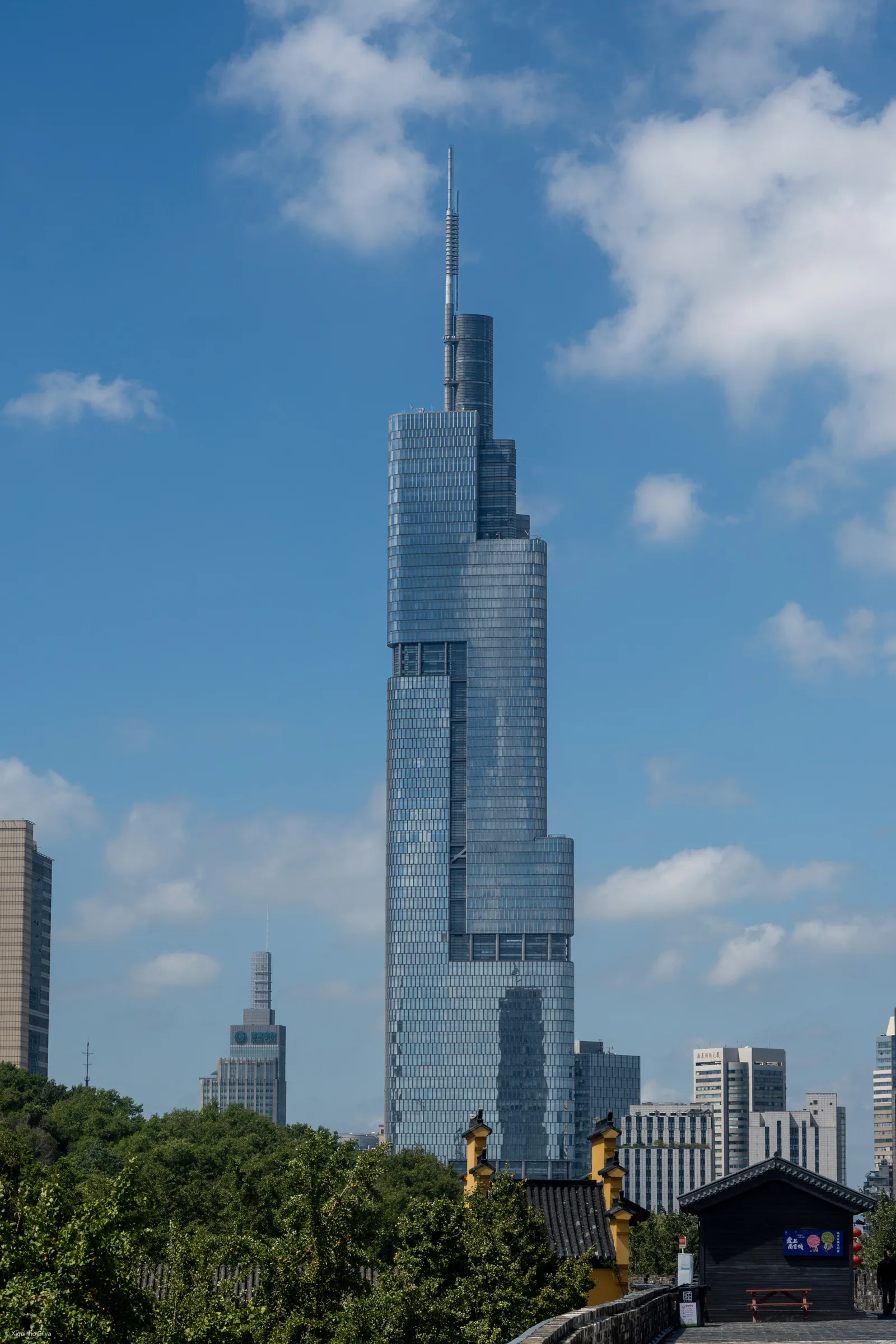
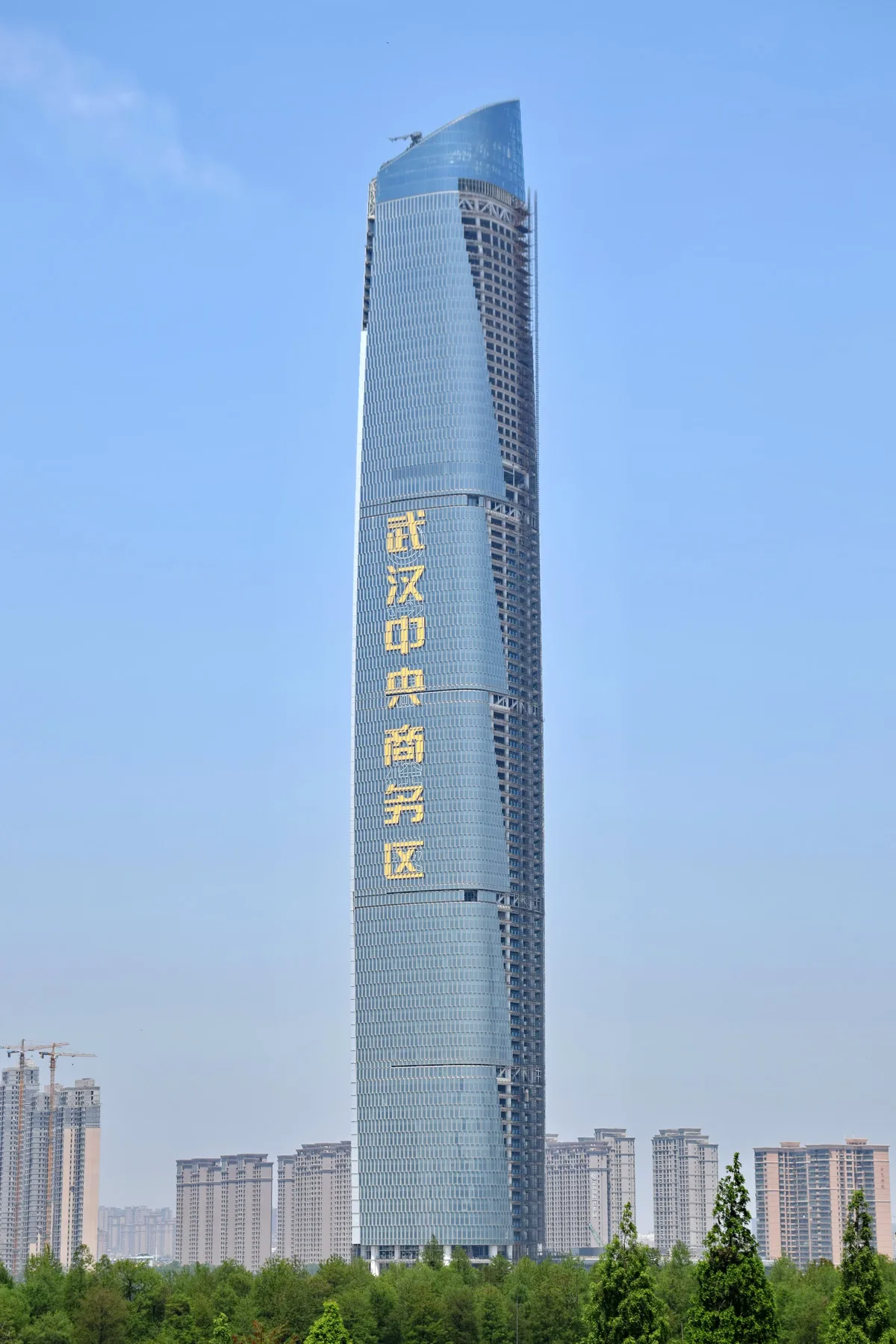
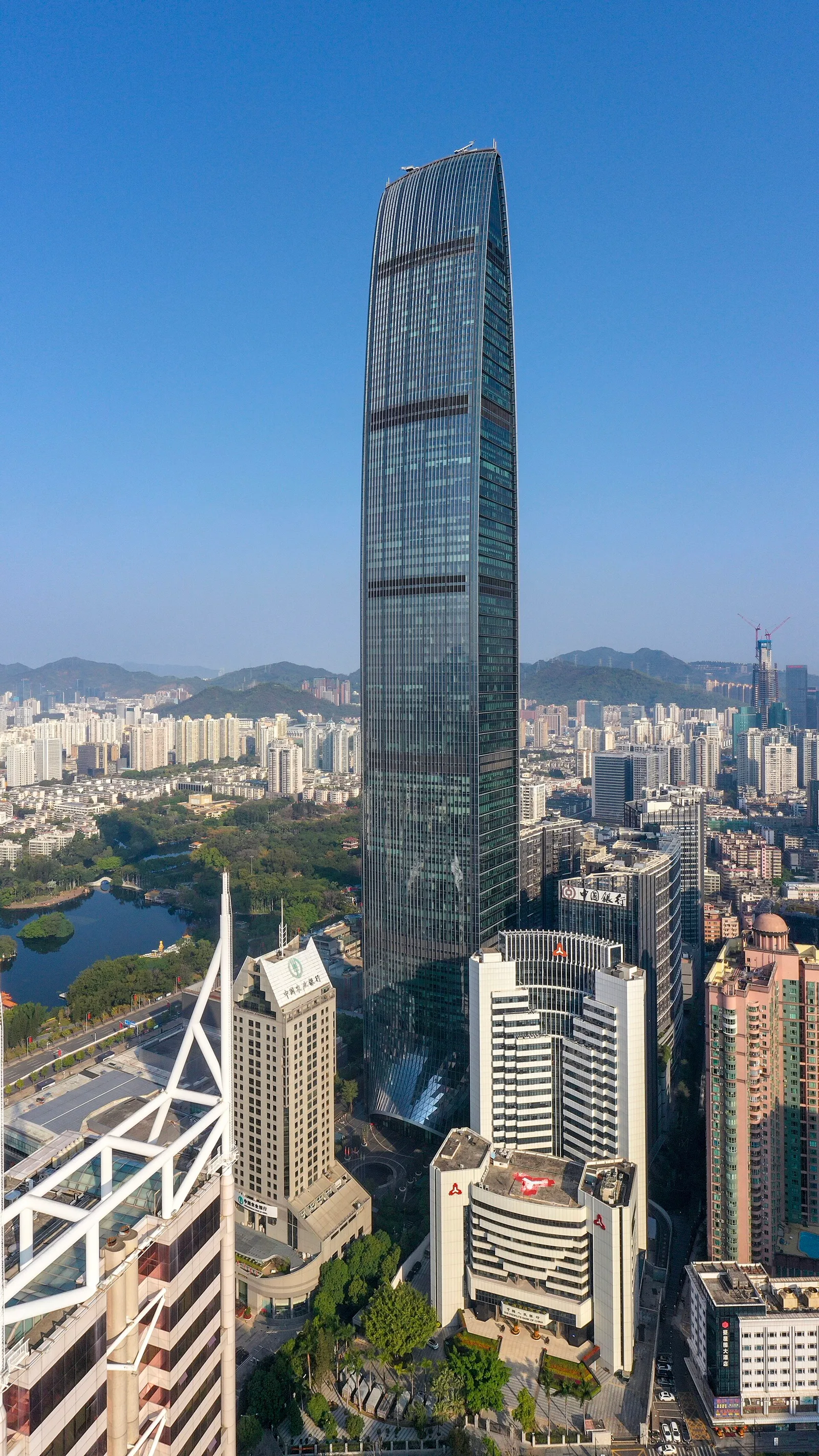
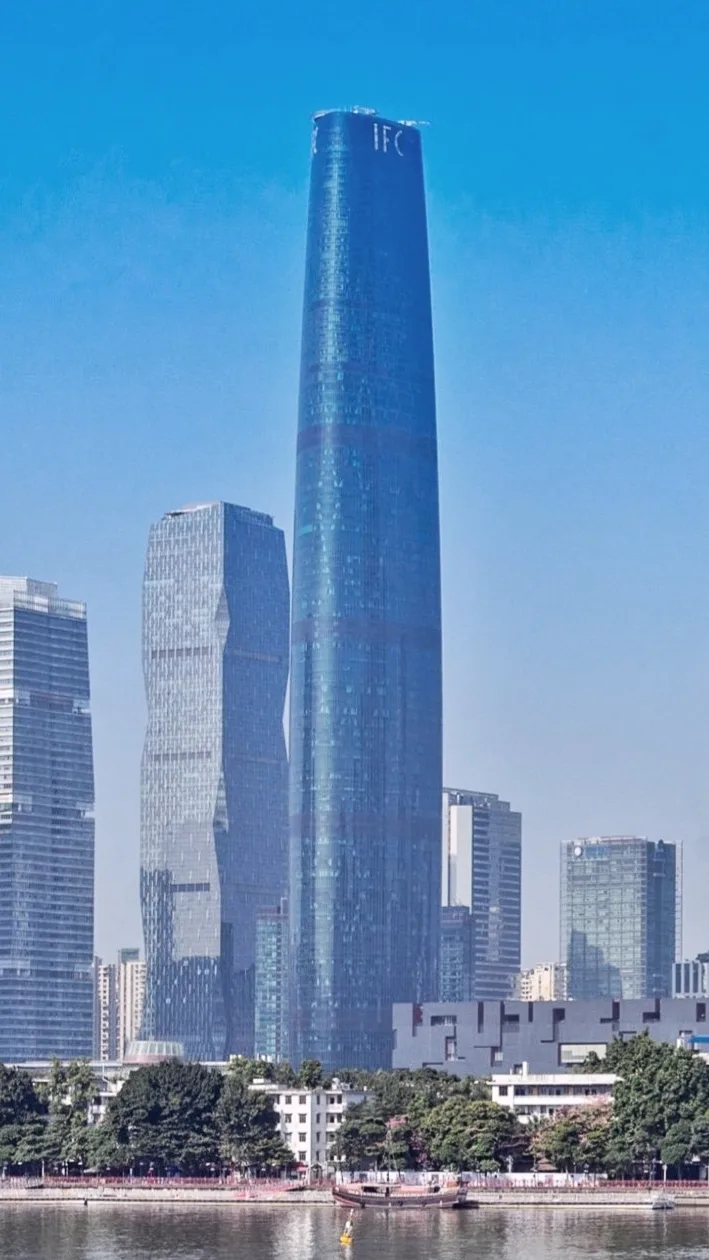
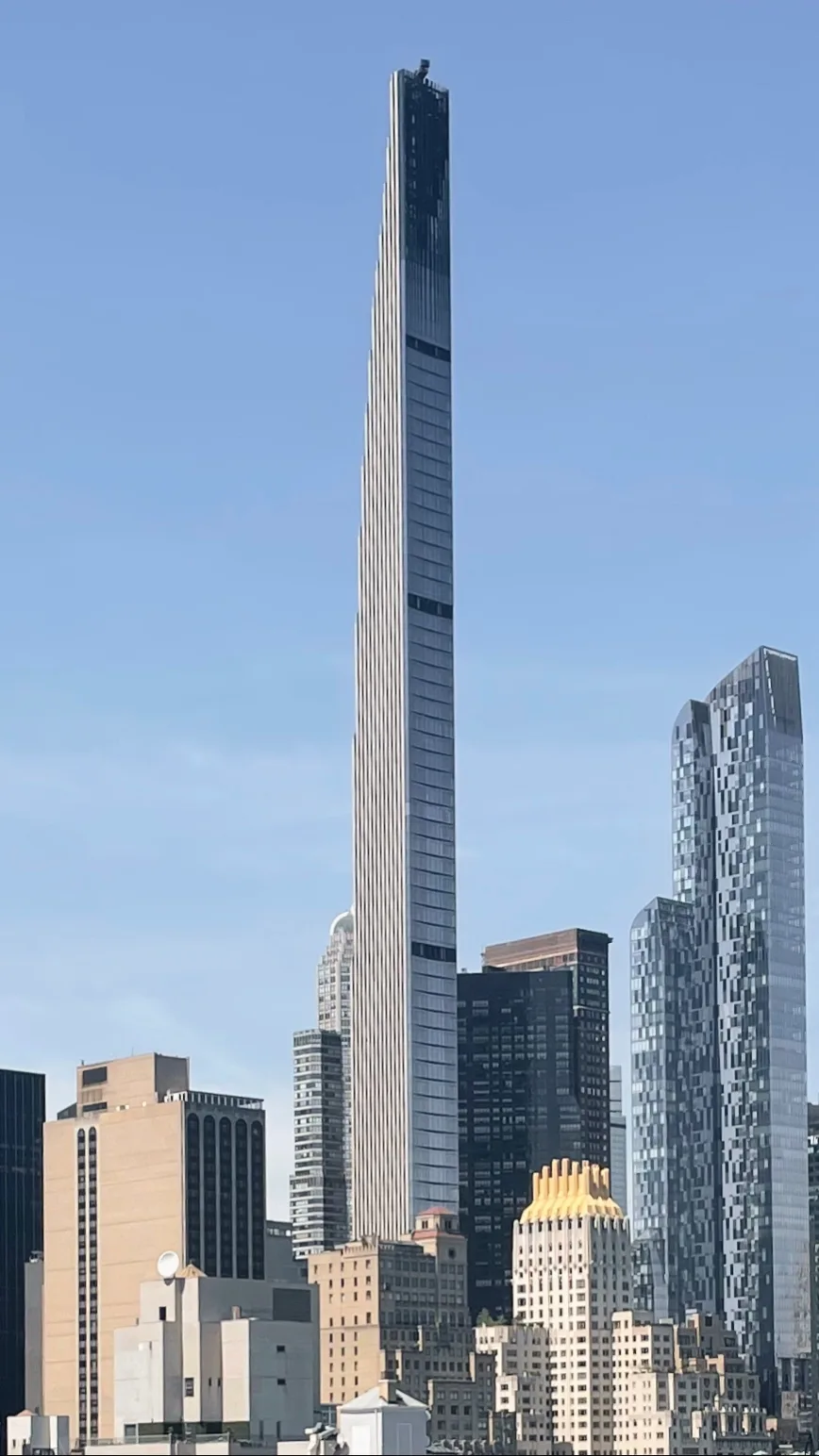
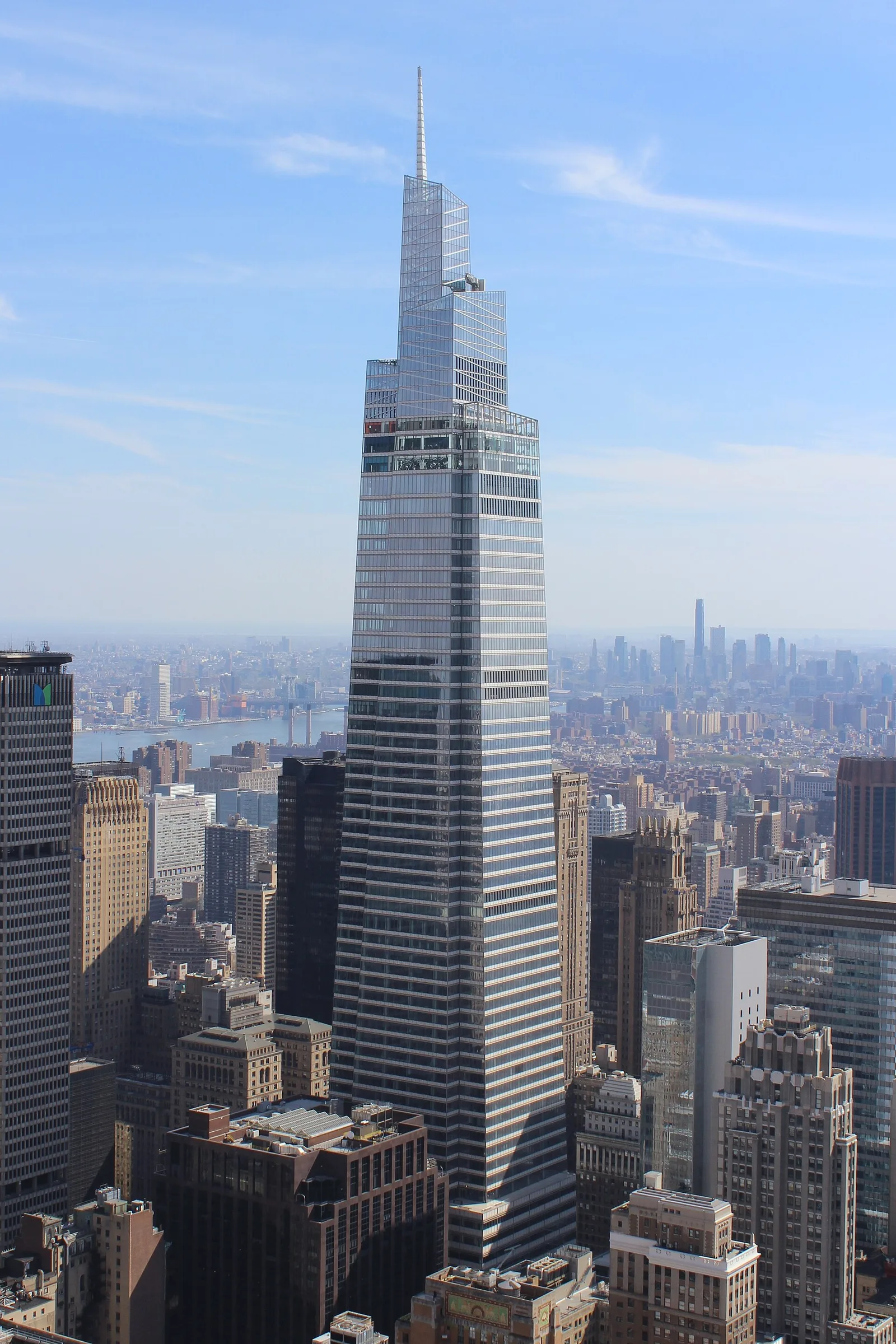
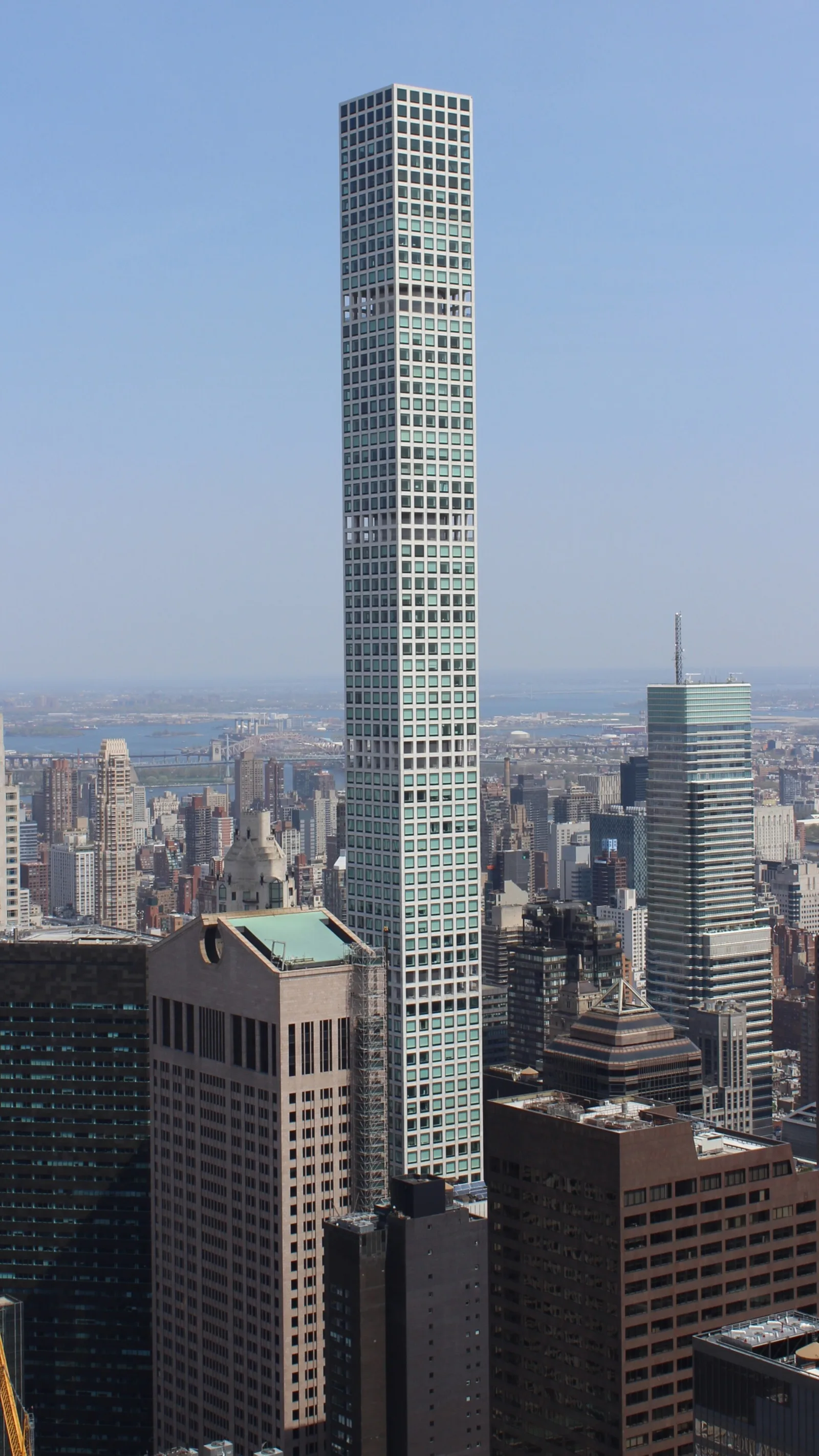
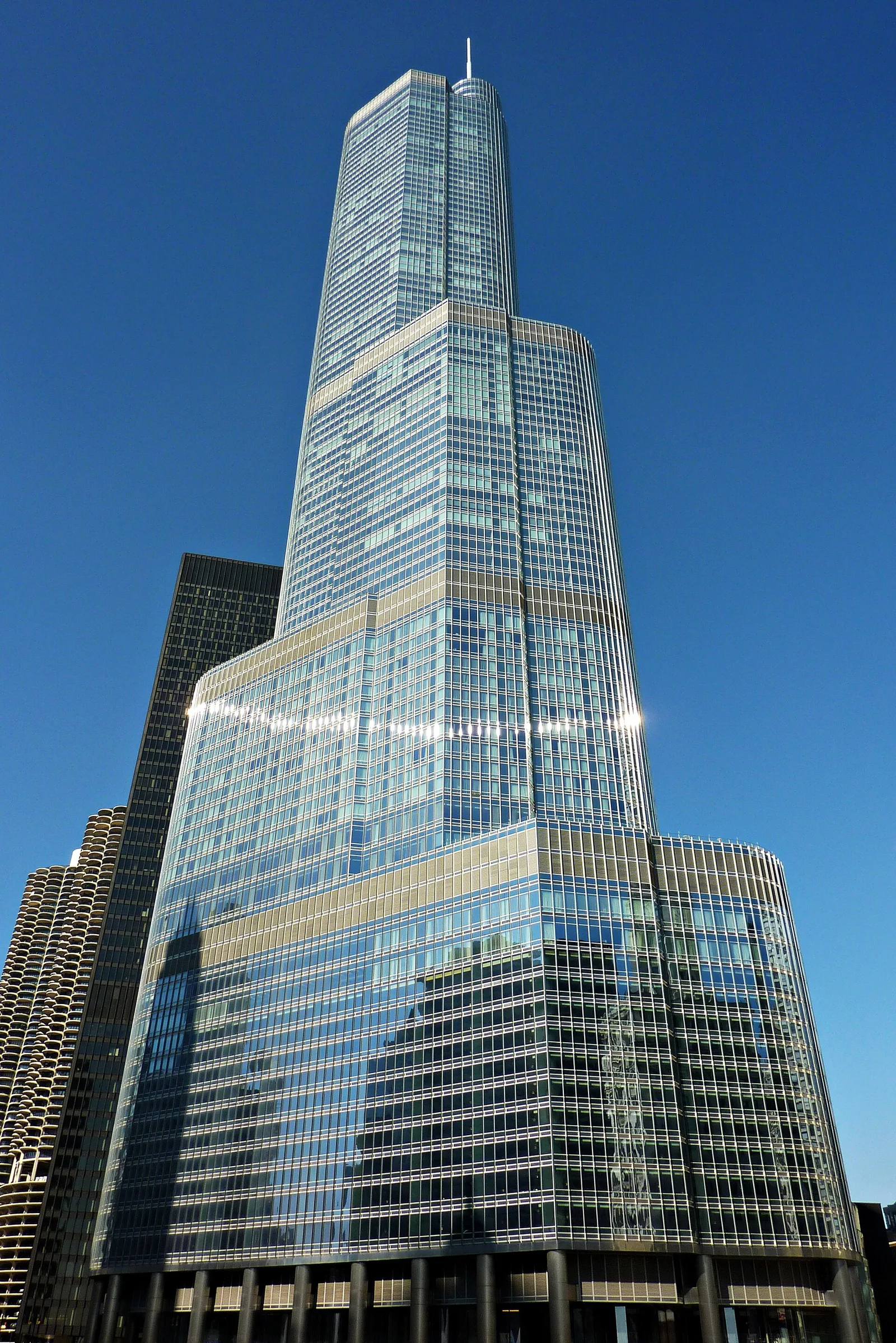
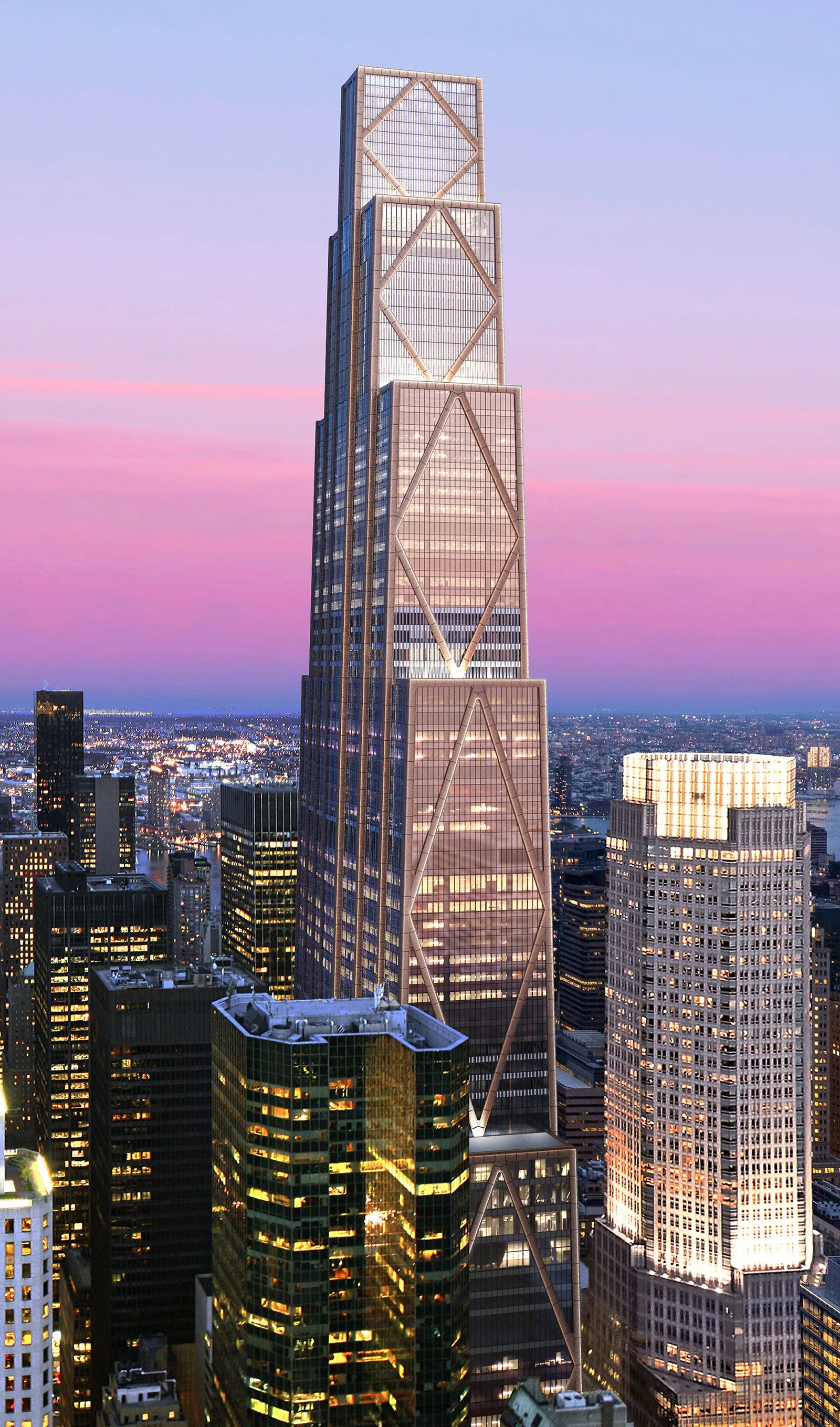
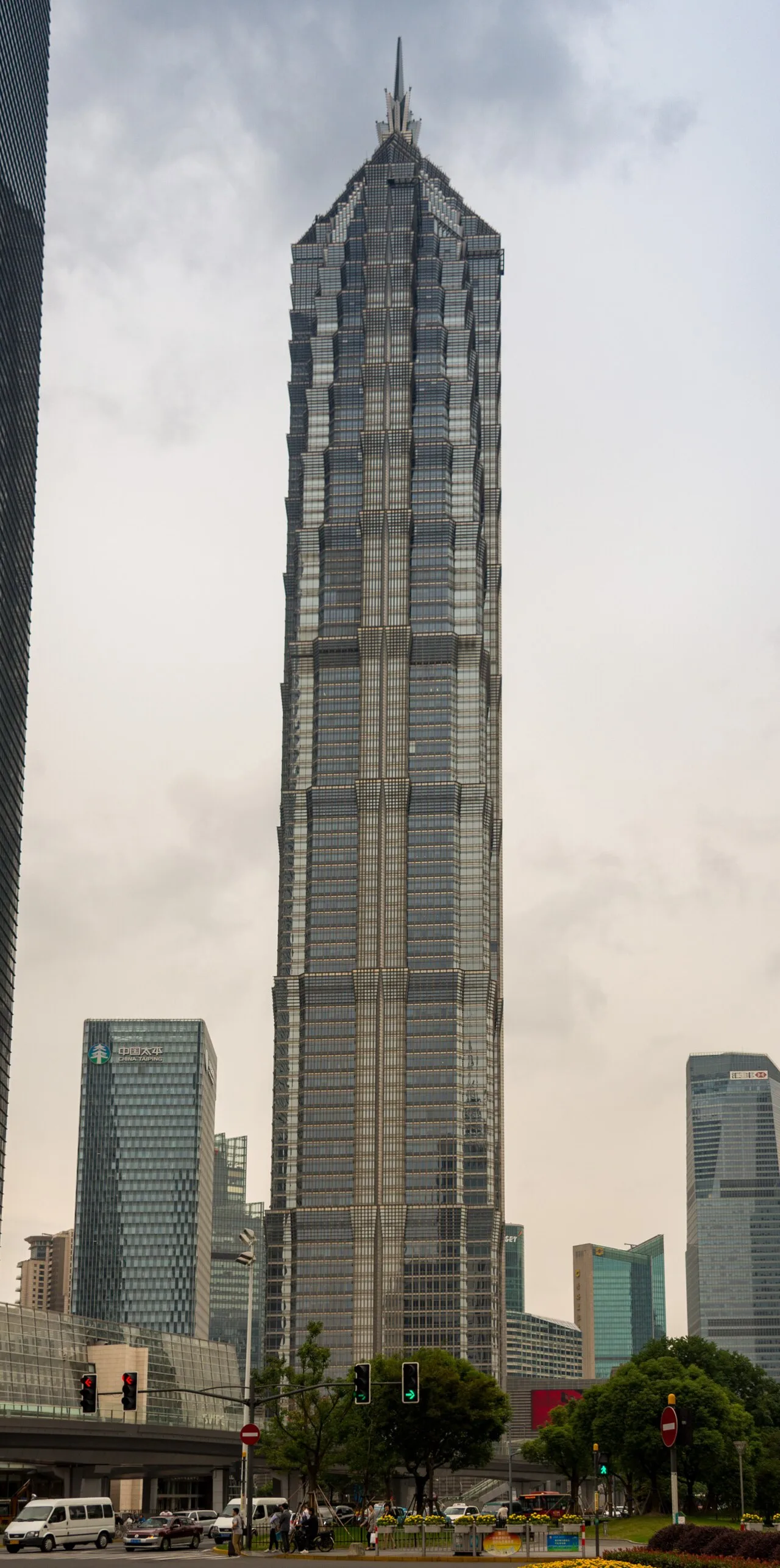
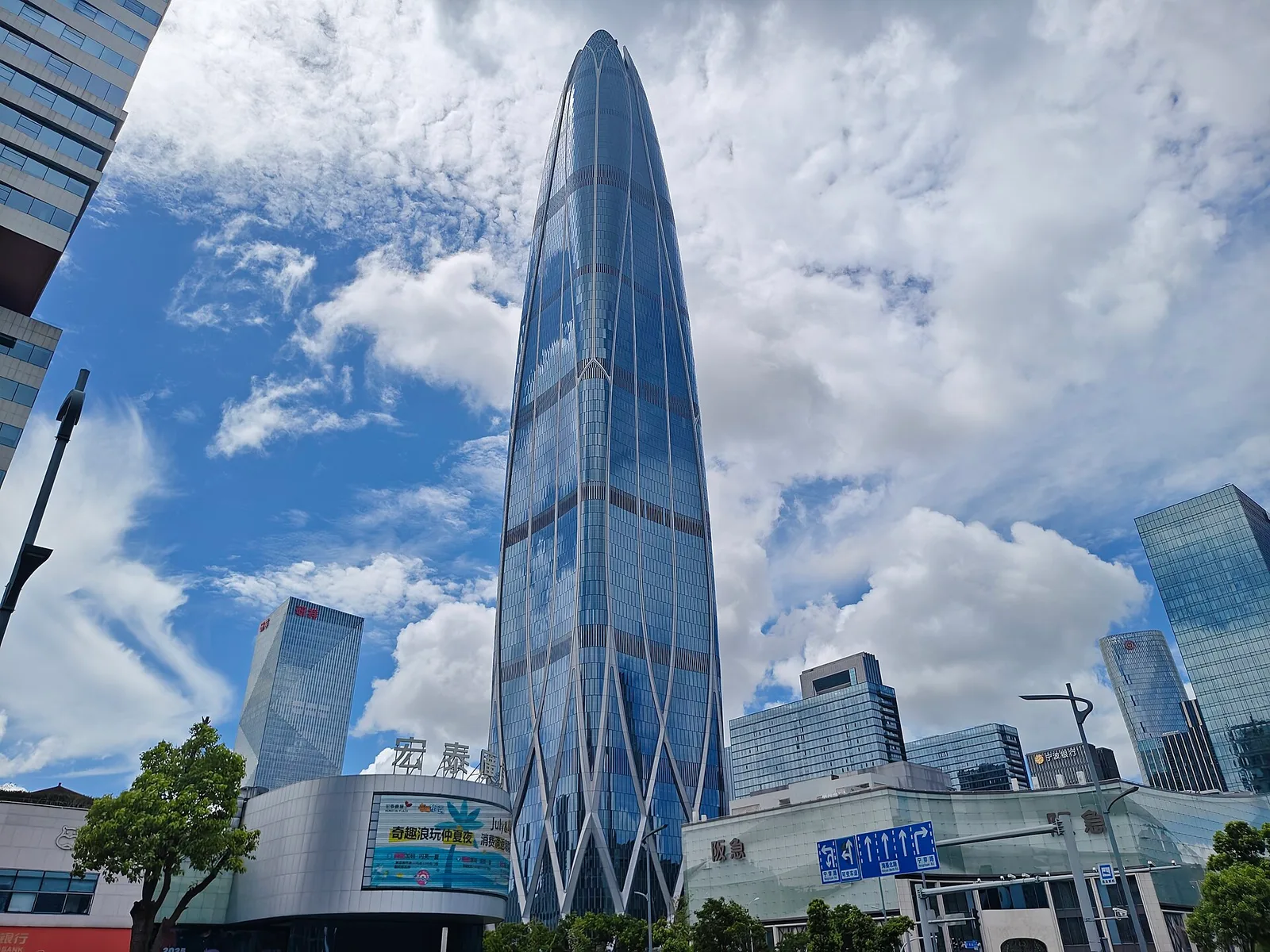
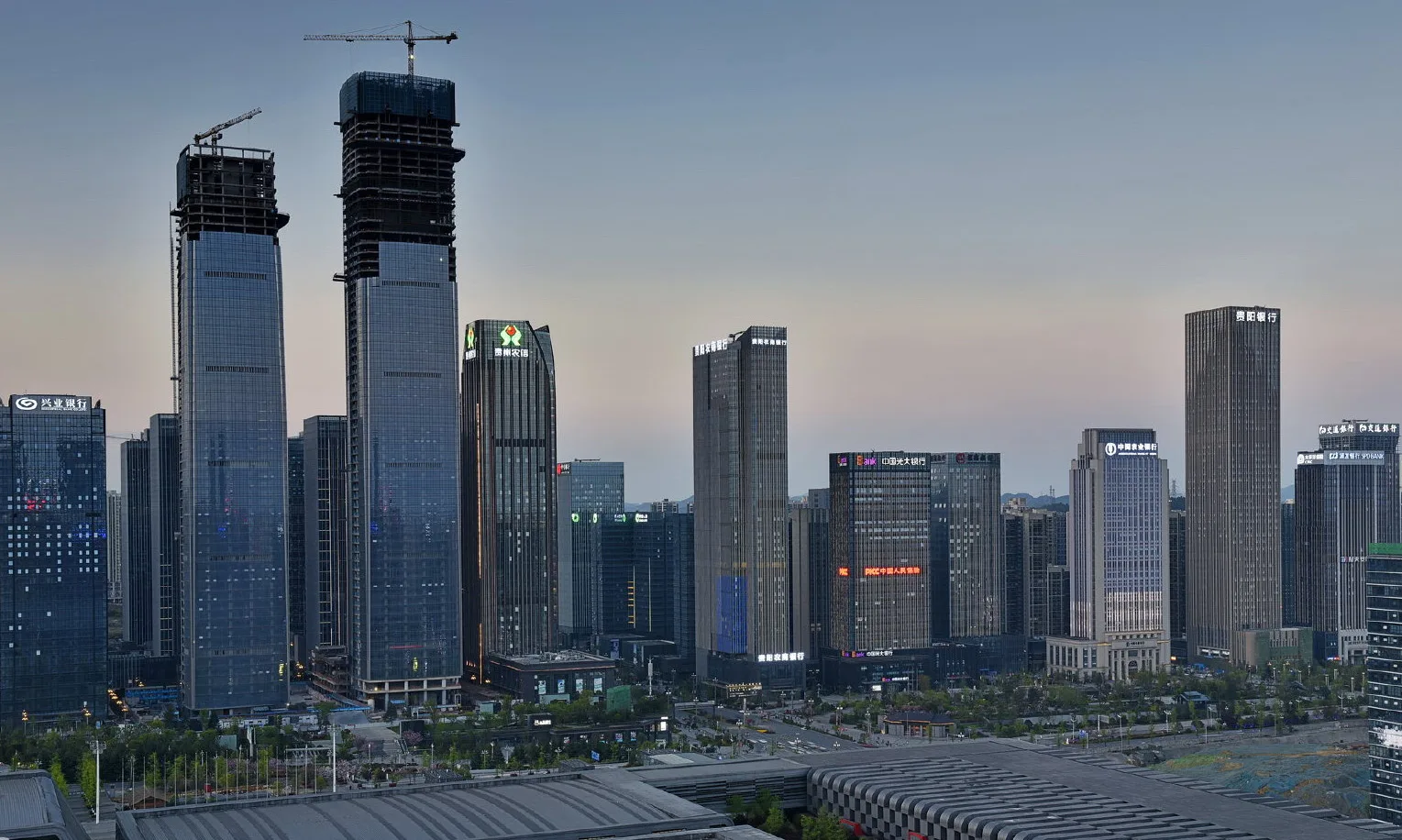
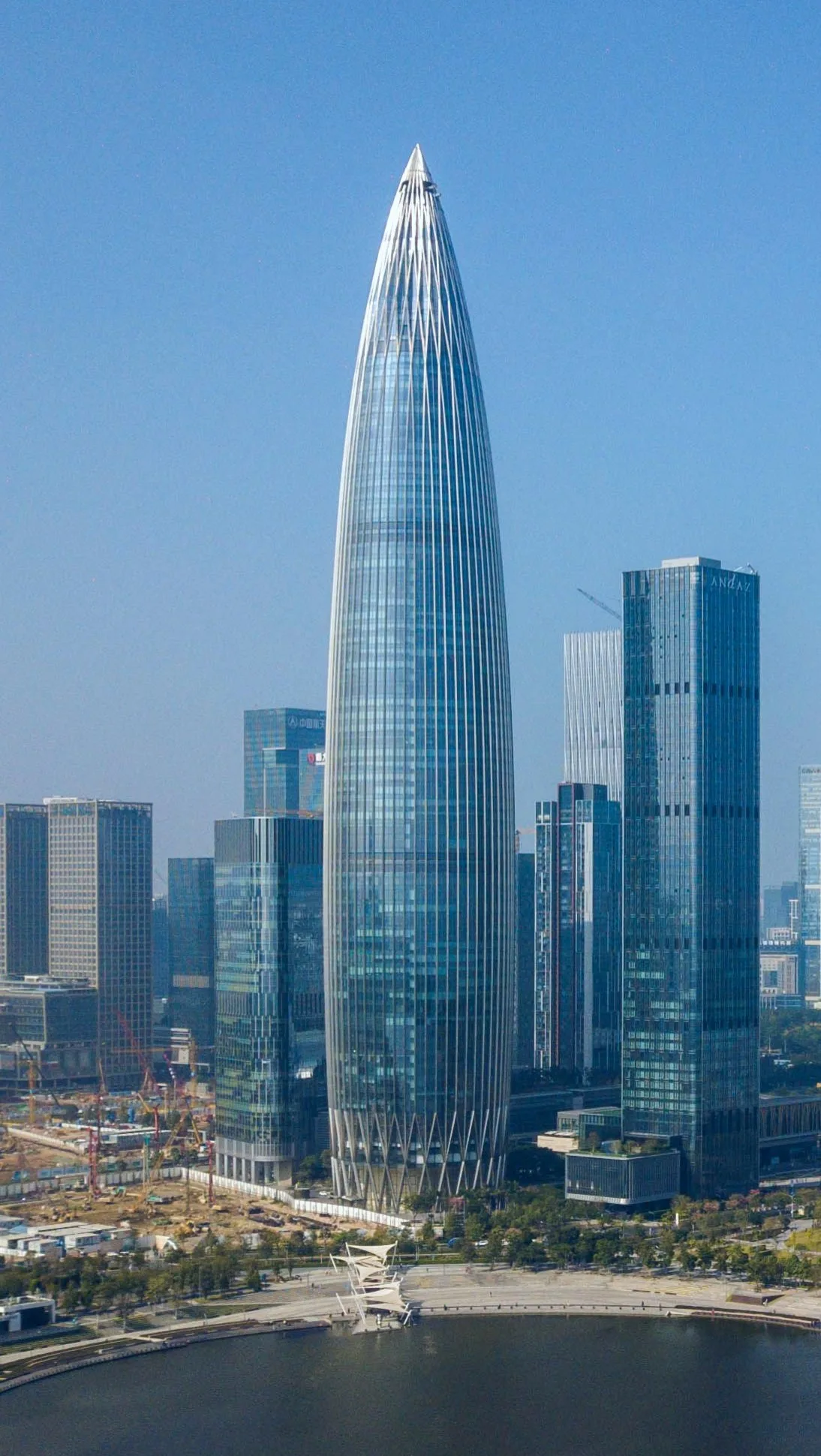
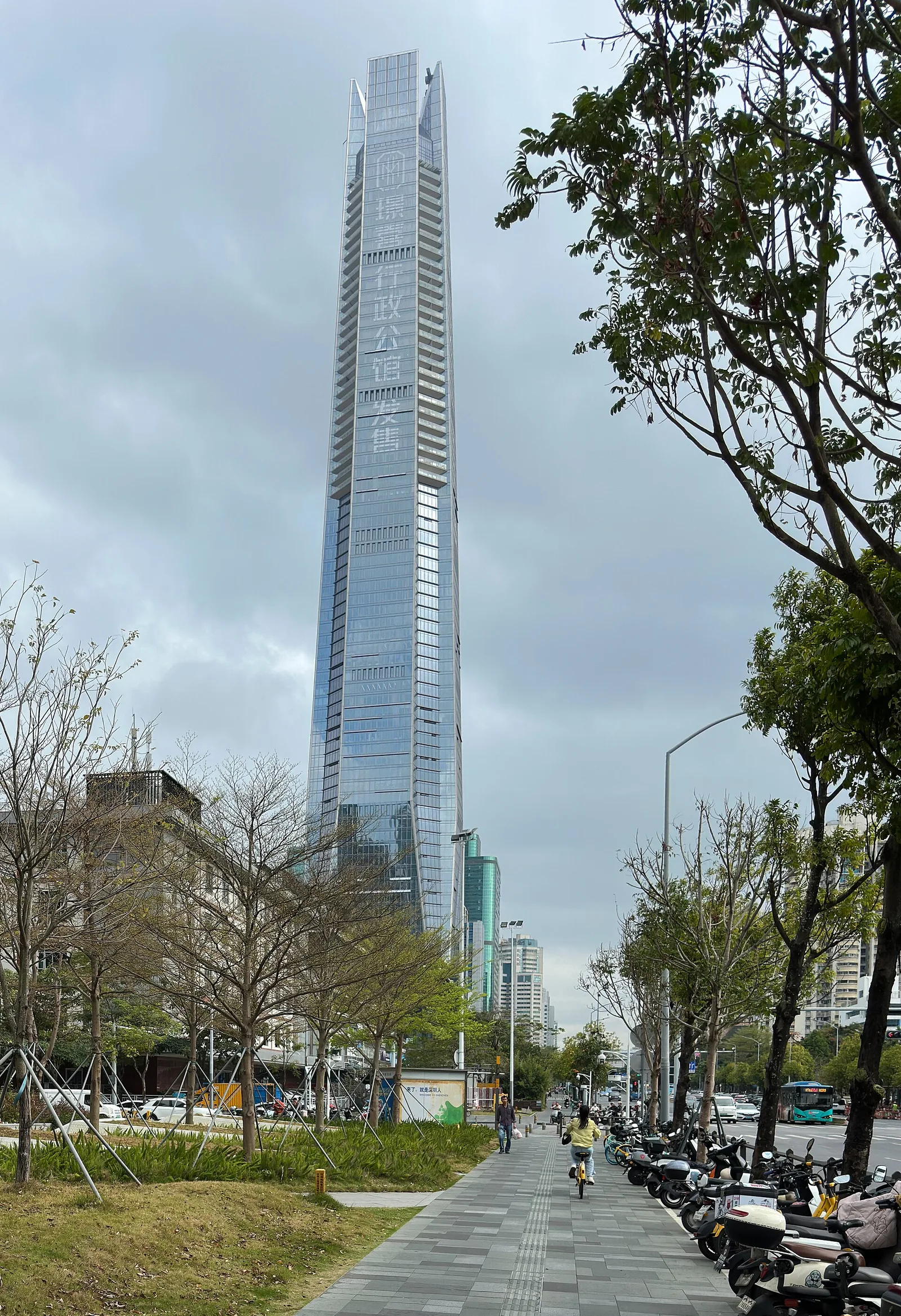
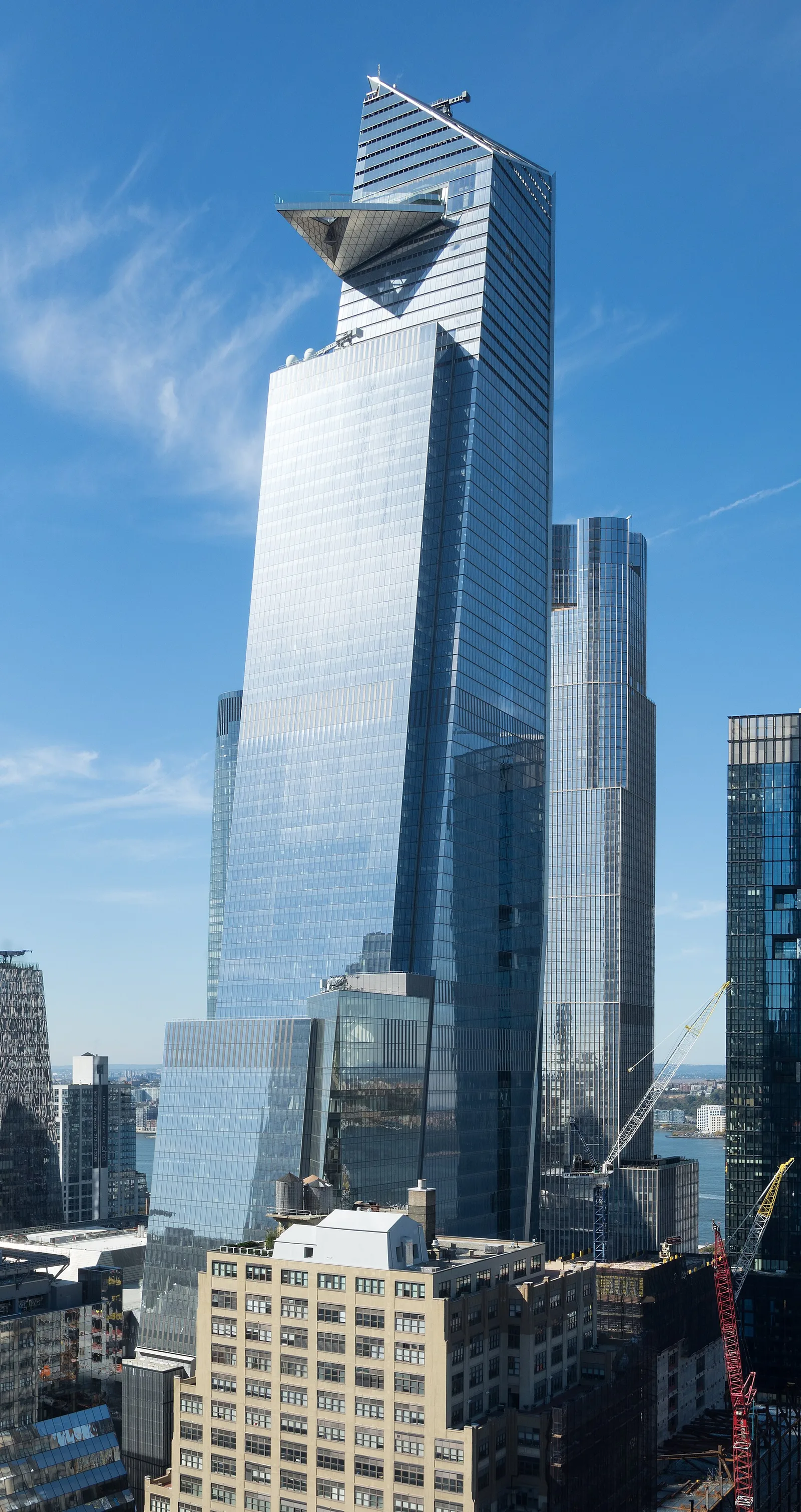
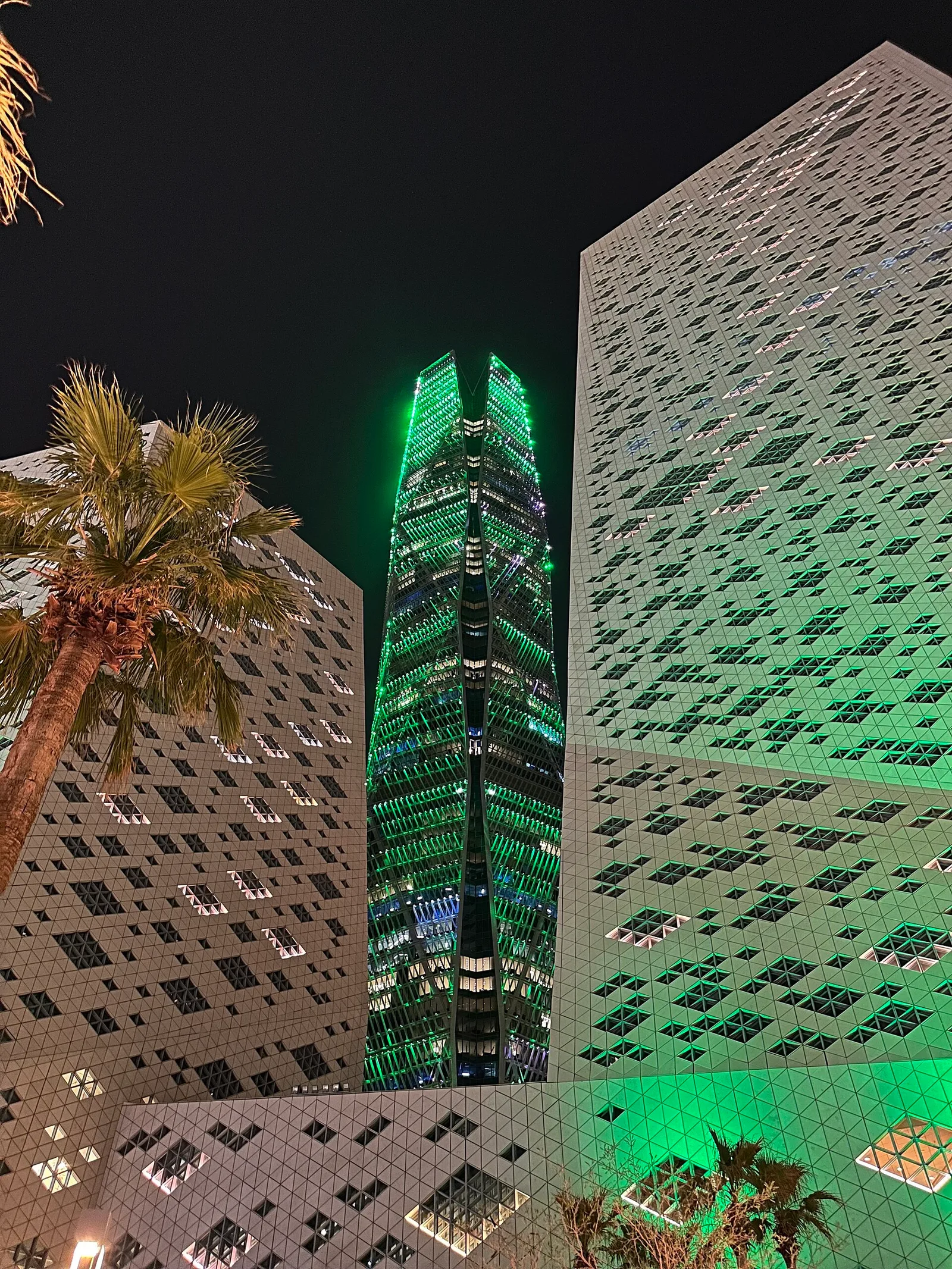
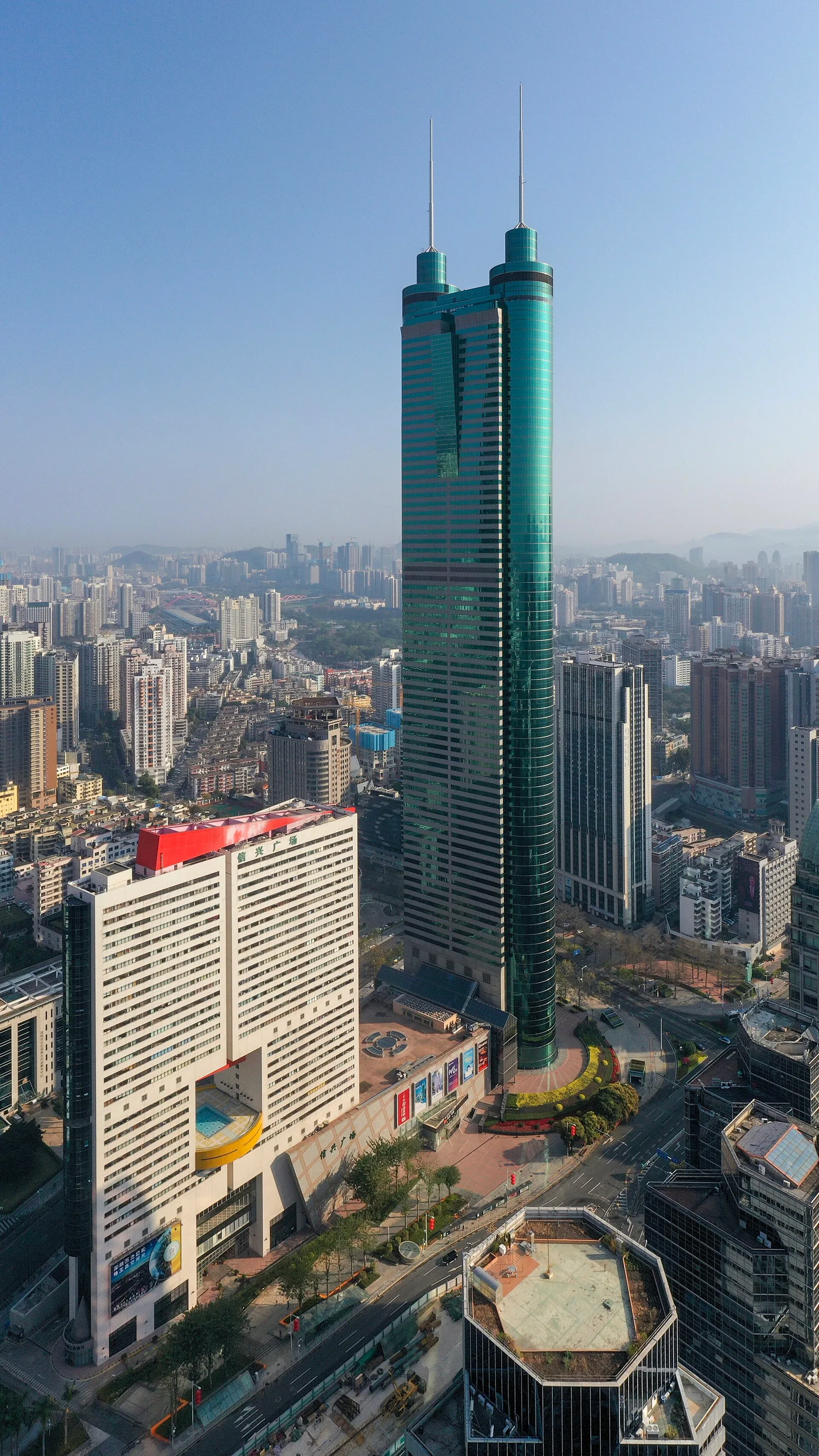
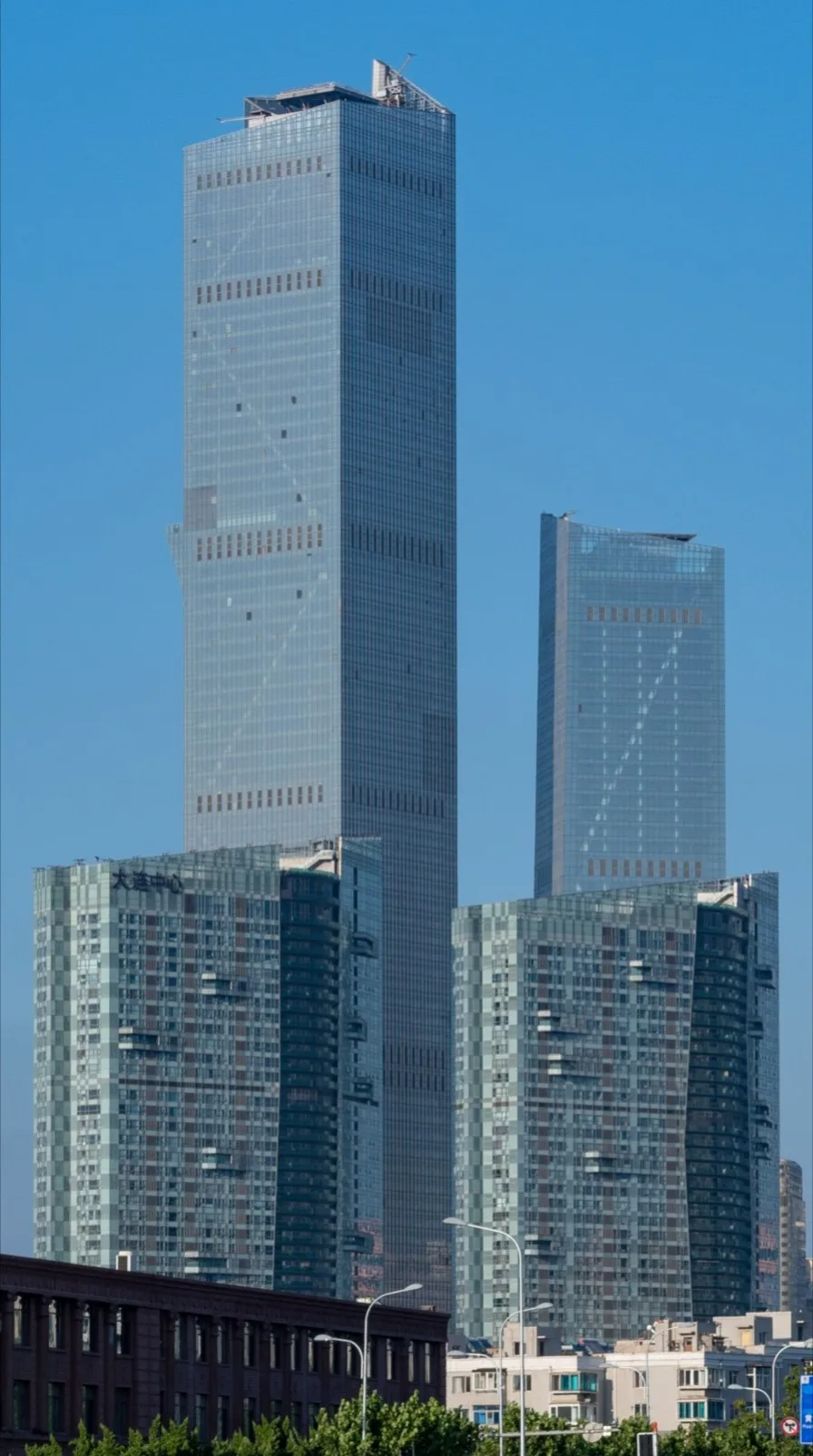
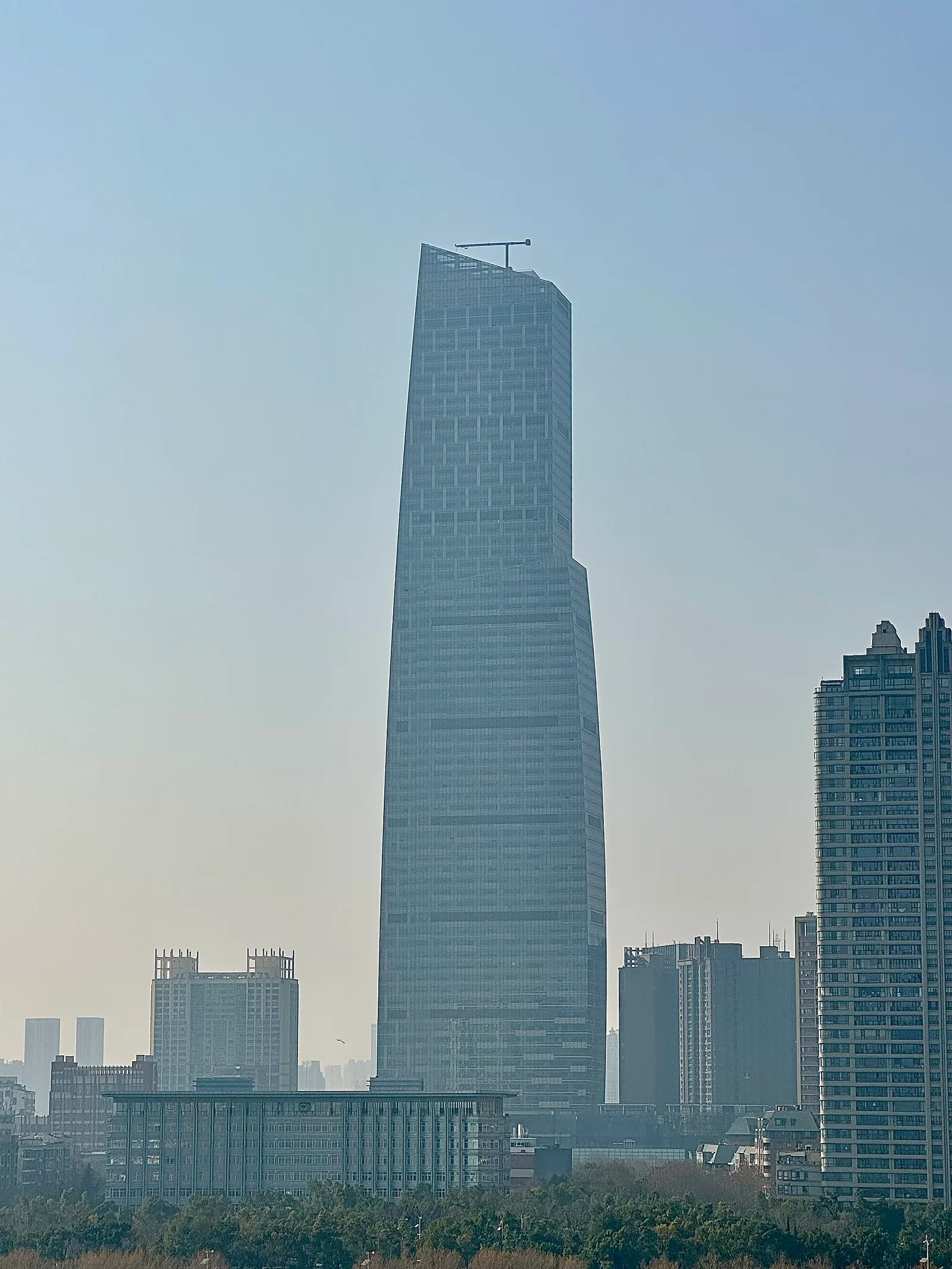
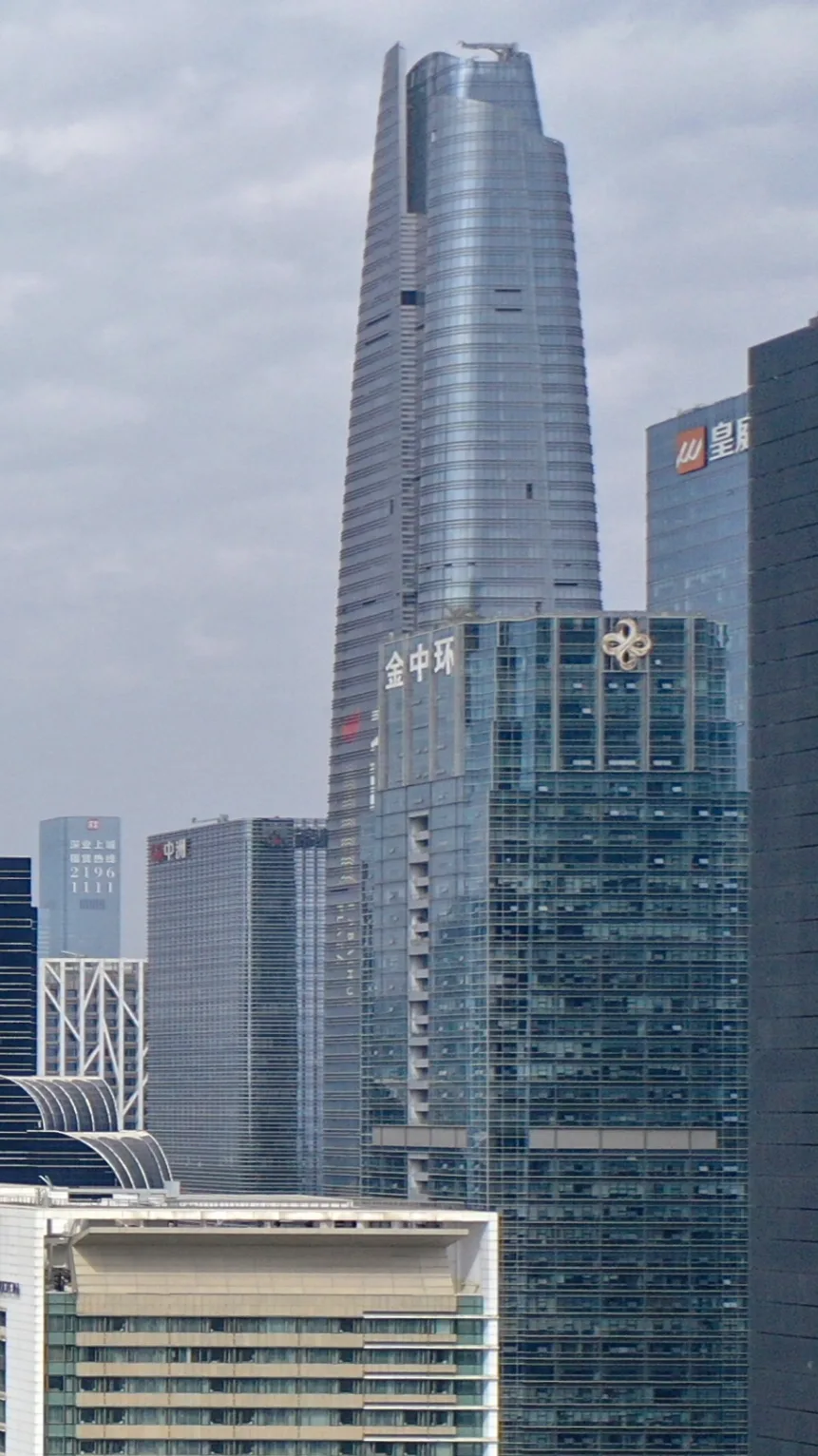
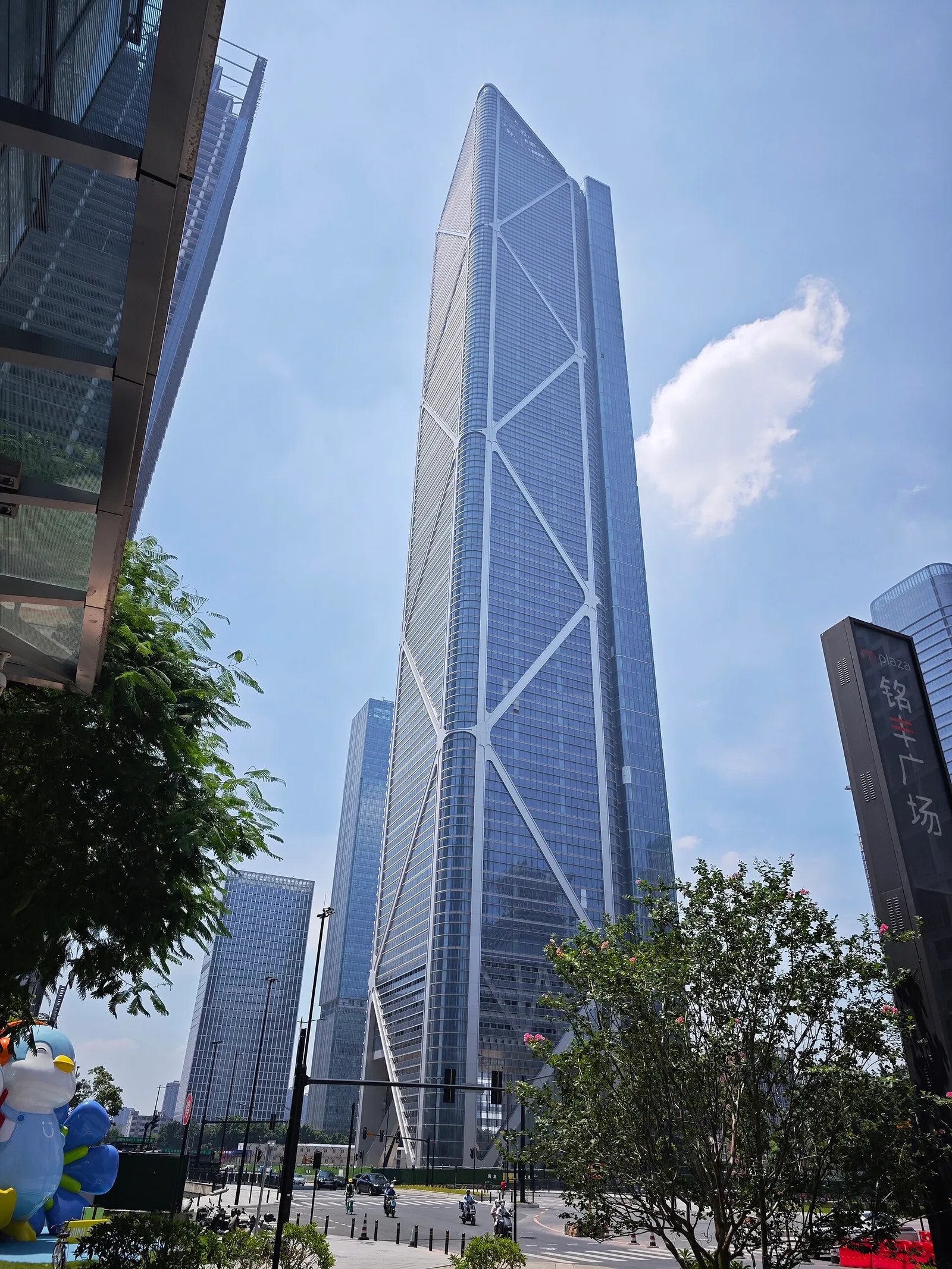
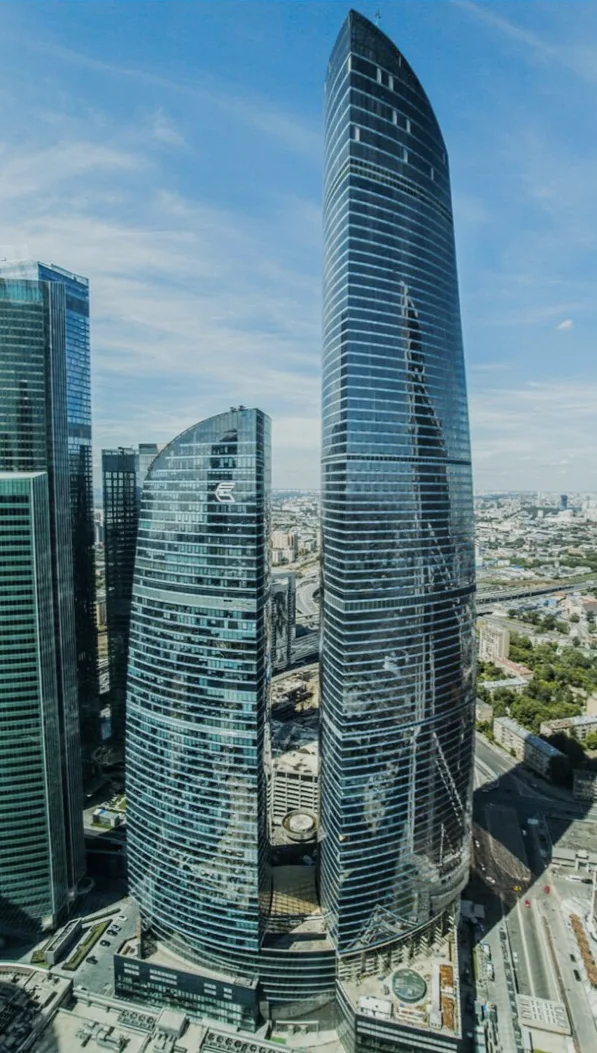
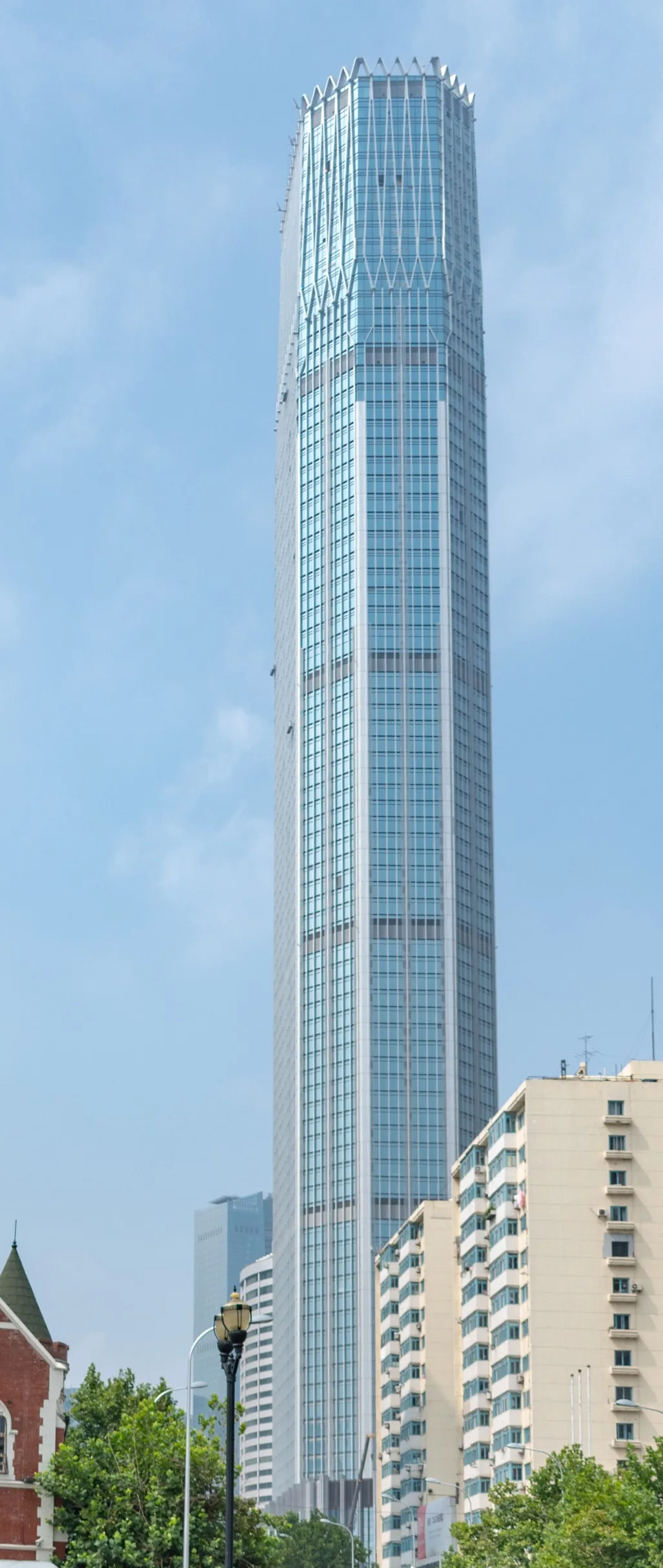
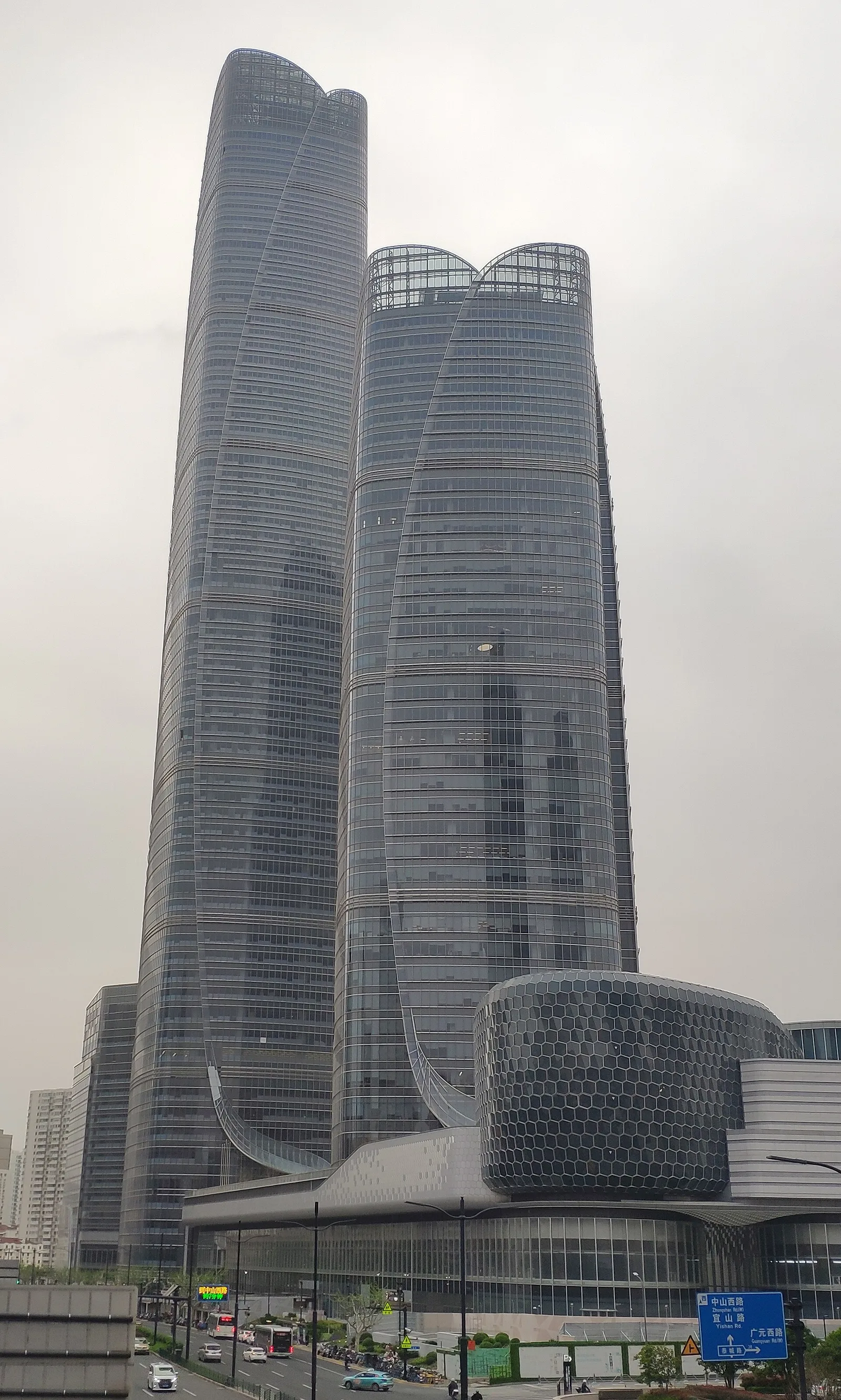
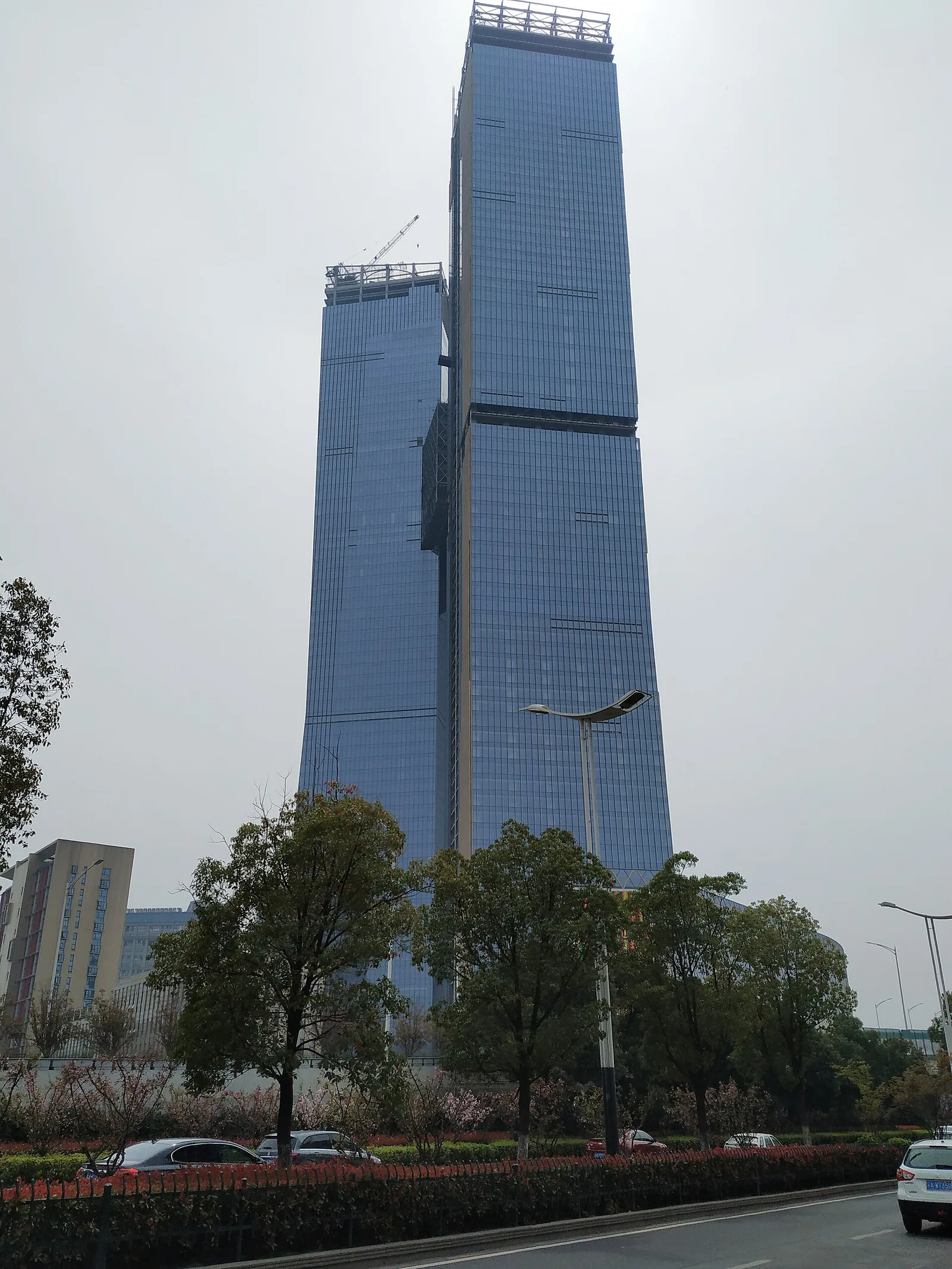
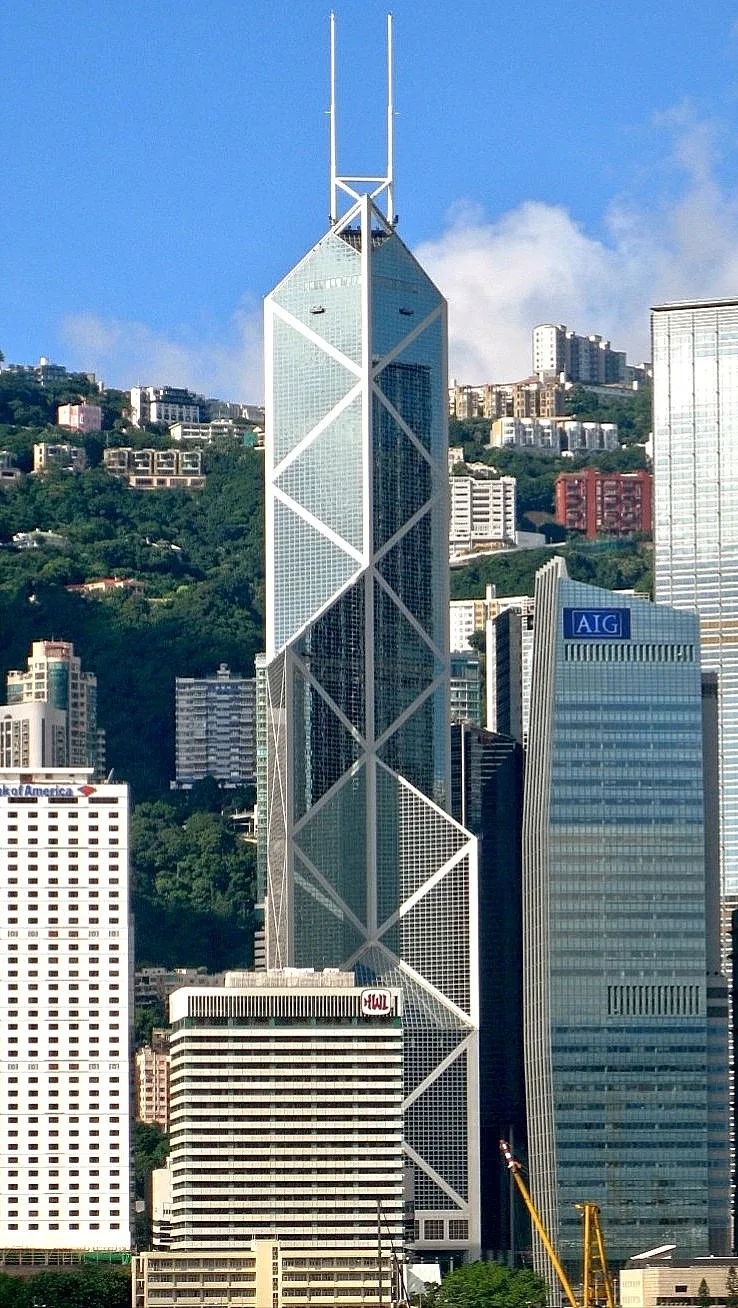
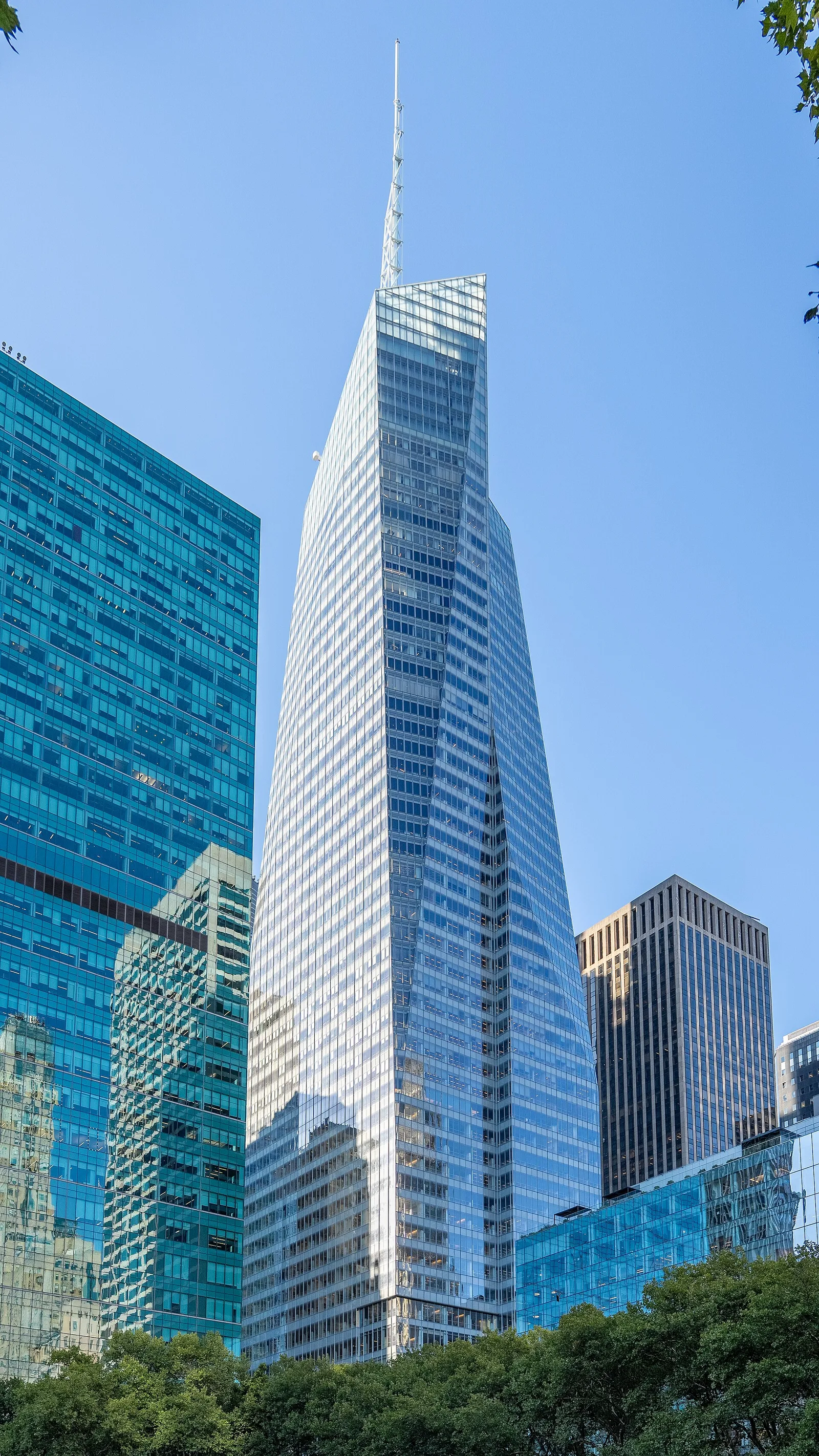
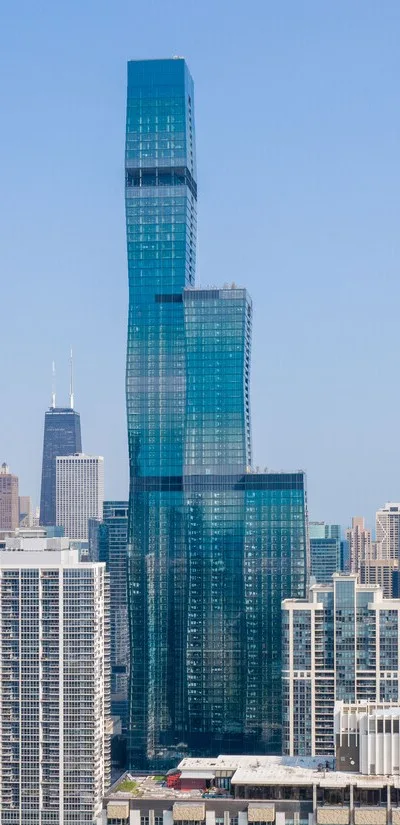
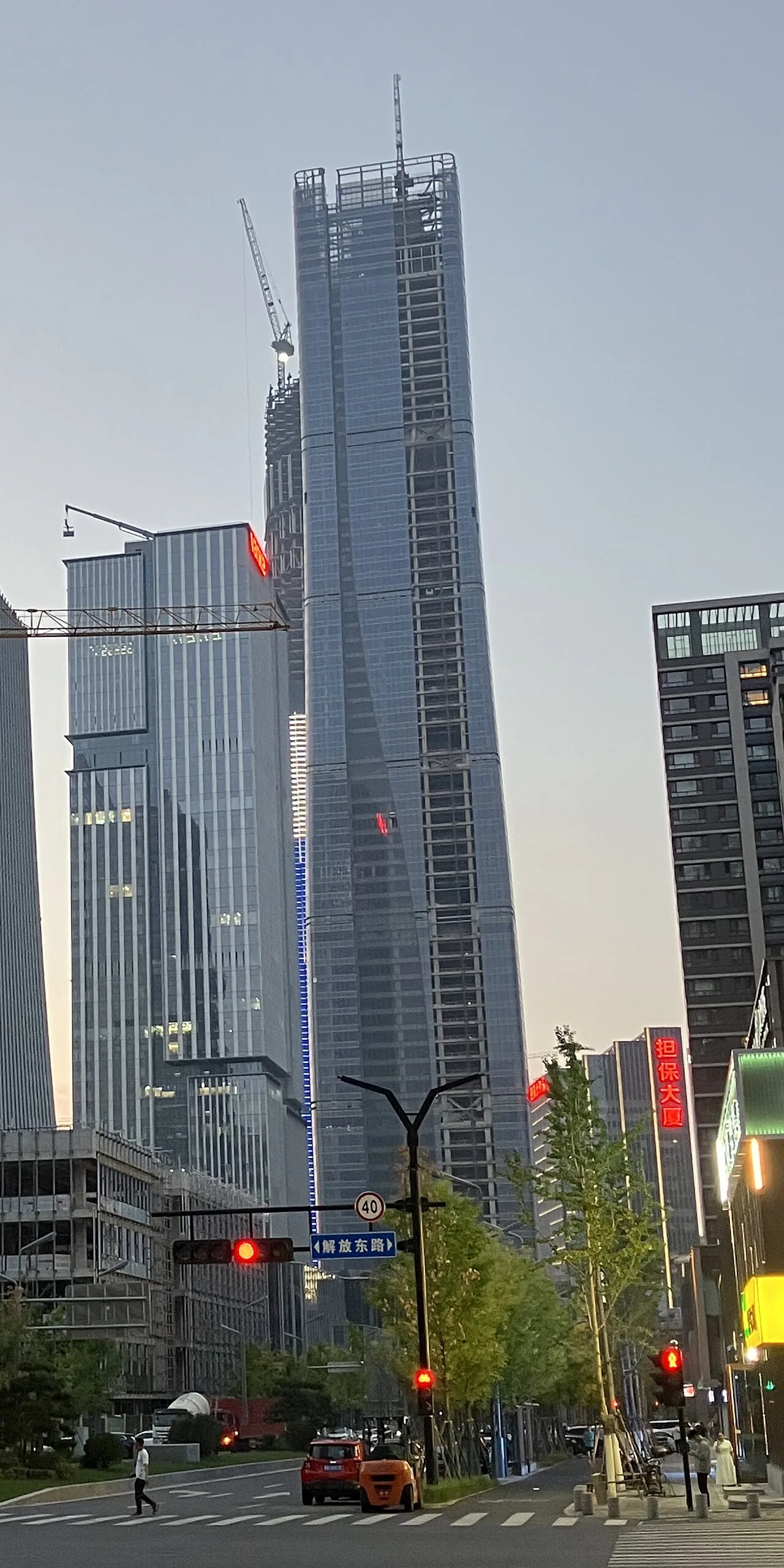
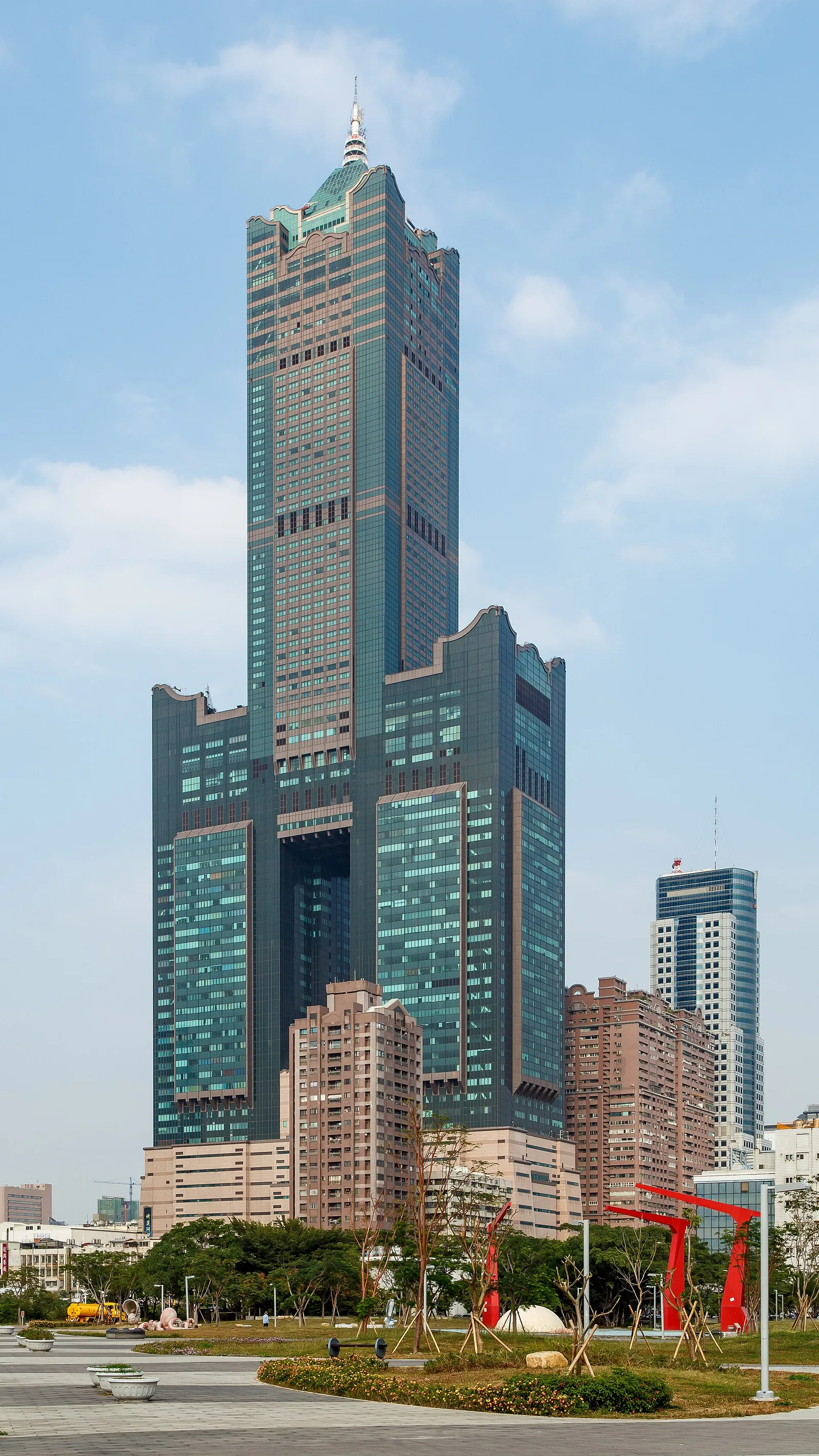
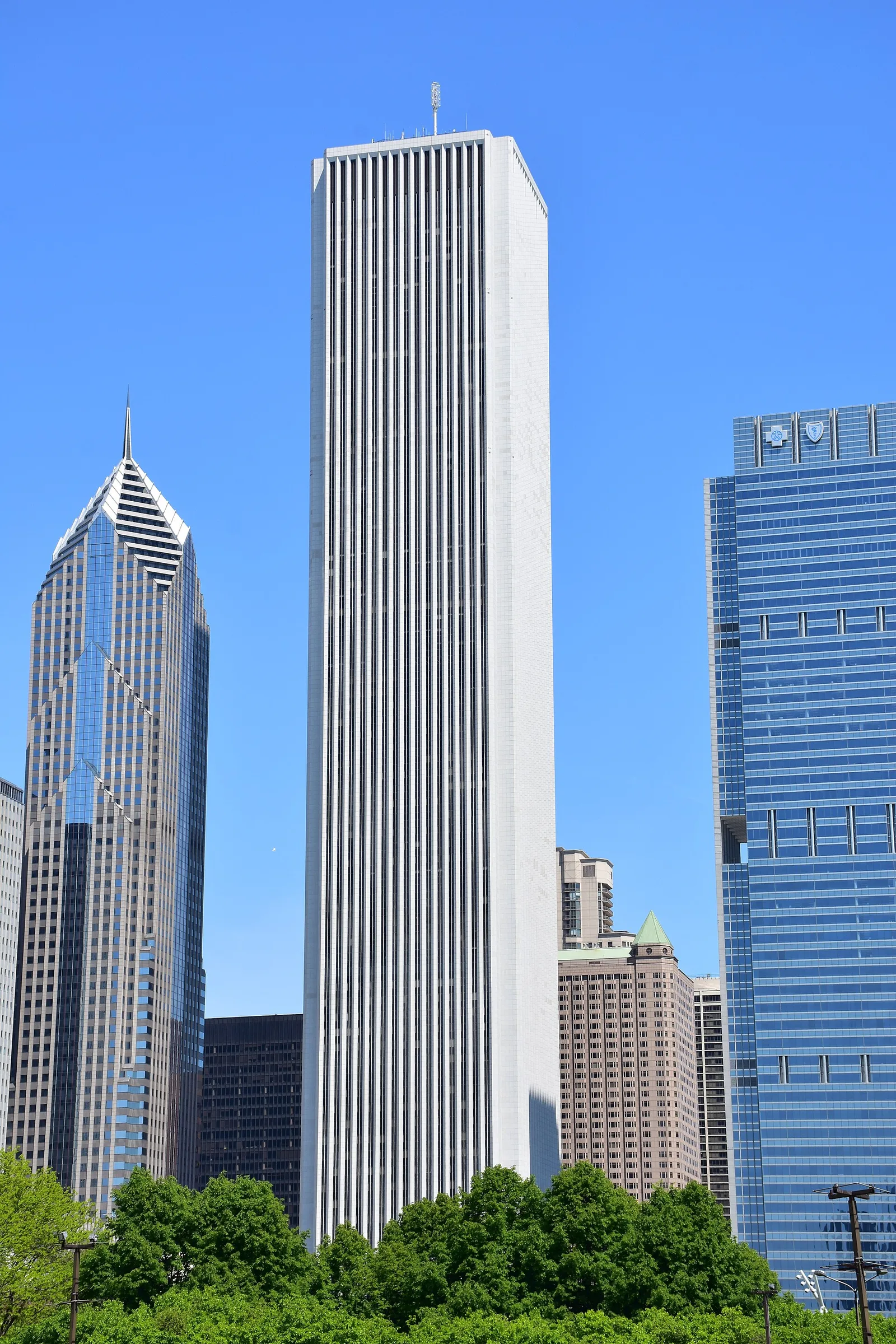
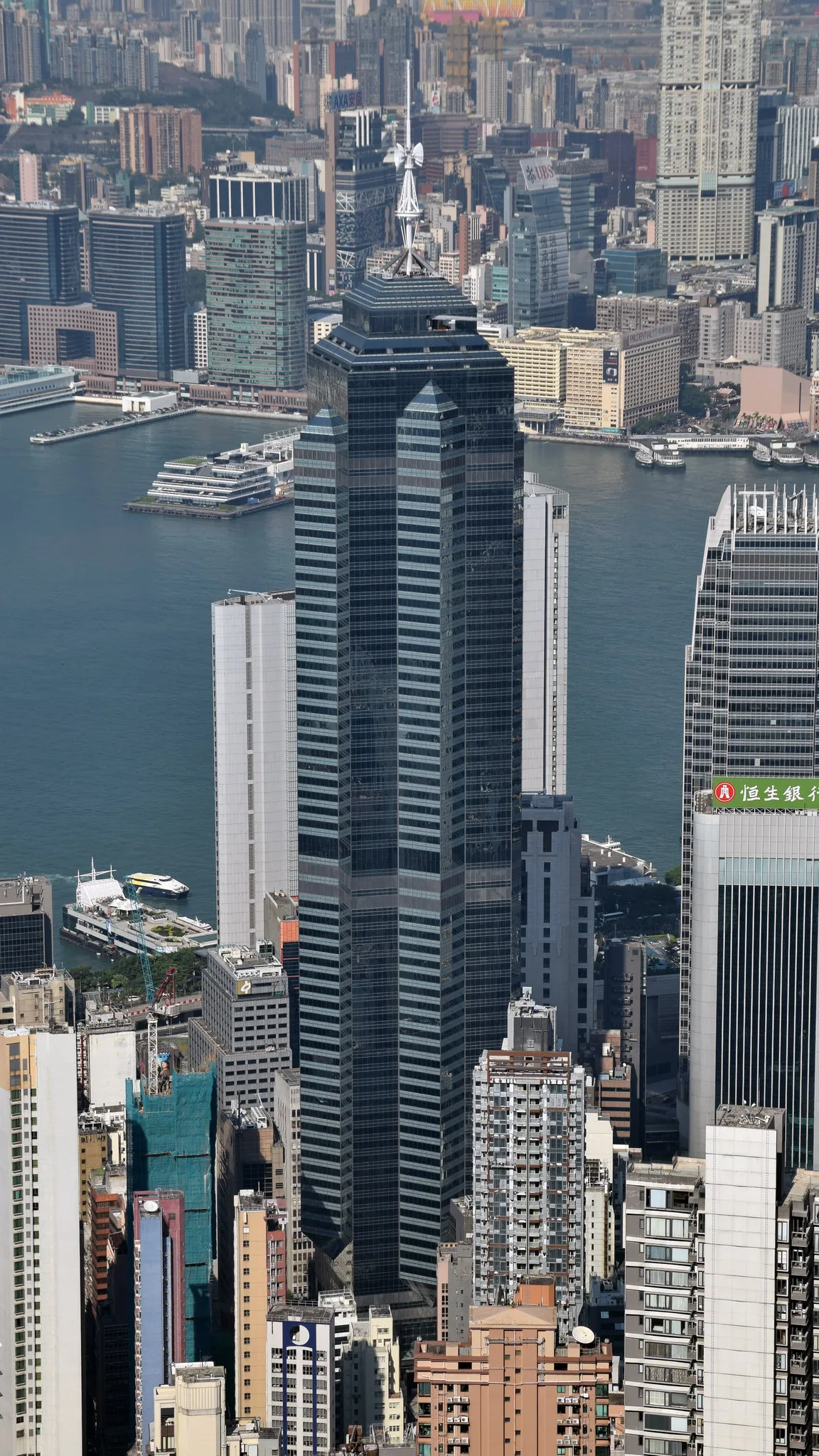
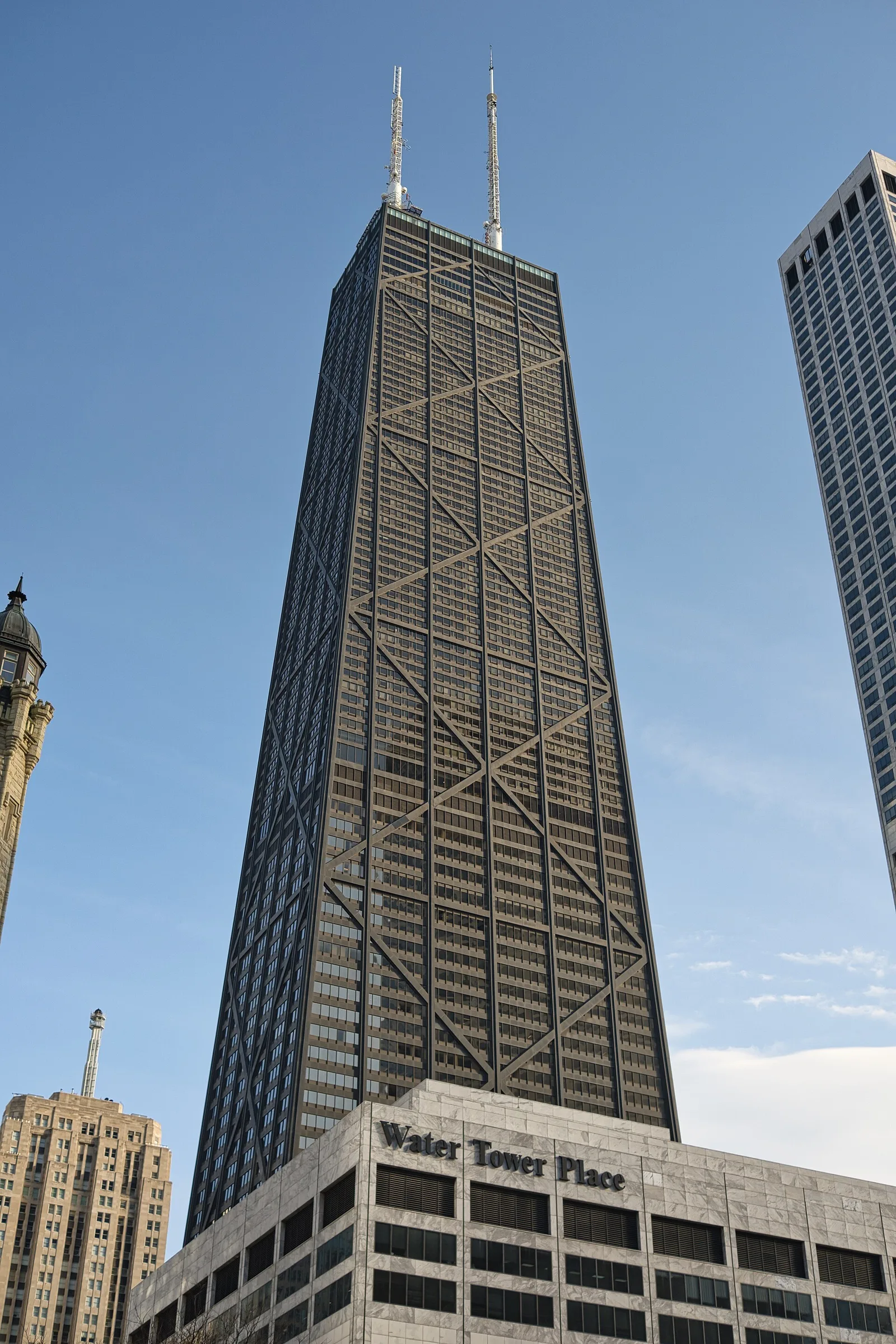
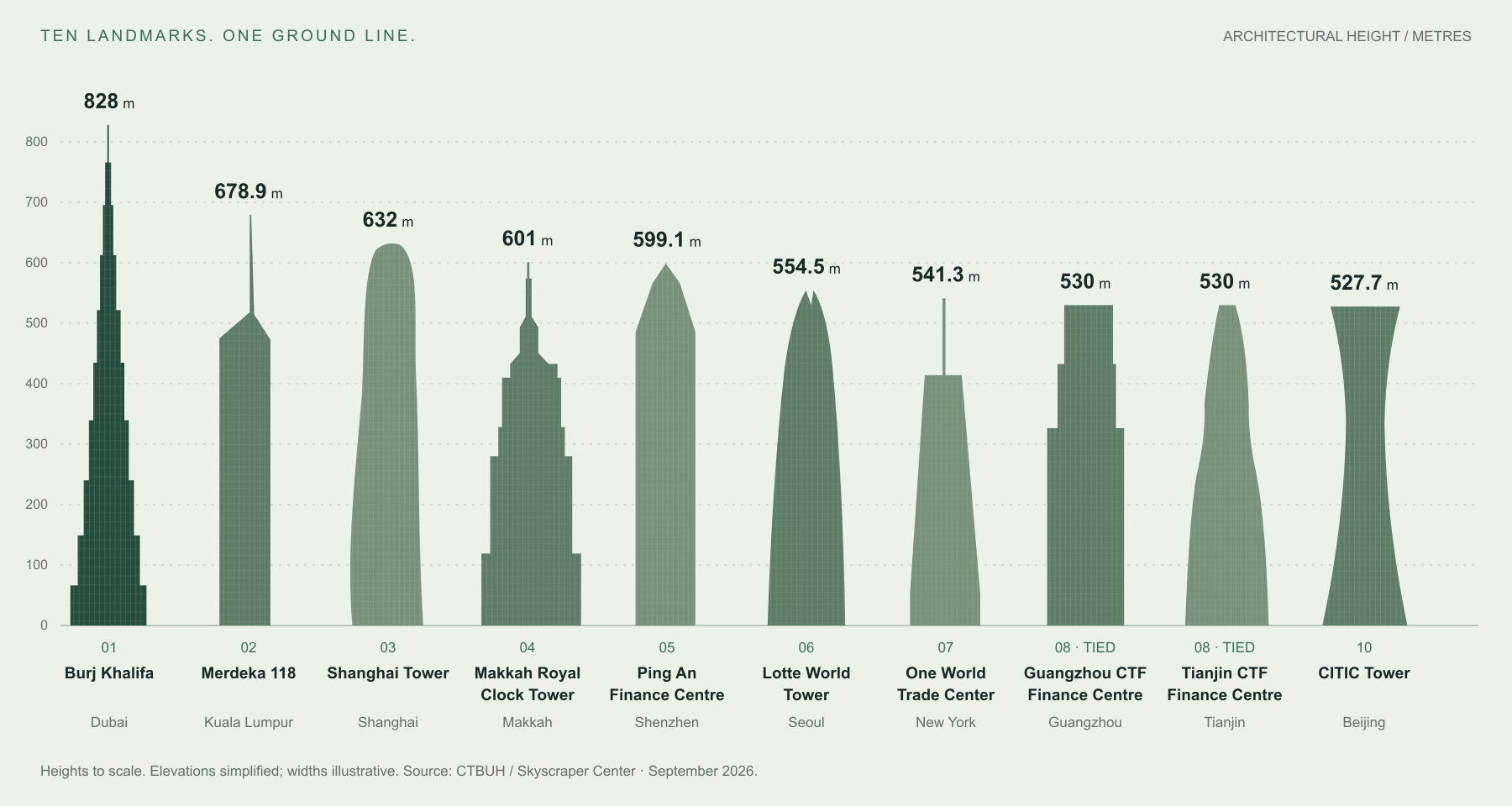
Architectural heights use the same vertical scale. Simplified elevations; building widths are illustrative. Height sources ↗ Swipe to see all ten buildings.
THE GLOBAL RANKING
One hundred buildings. A higher perspective.
Completed. Measured. Compared. Architectural height, including spires. [1]
No buildings match these filters. Change your search, country or year, or reset the filters.
100 sourced completed-building records. The top ten have expanded engineering dossiers; additional records include source and review notes. Heights may differ from other lists where sources use different precision or completion milestones. Scope & source policy ↗
Pick a building and a way up. Elevator runs use an ideal speed profile from the site’s travel model; stairs assume a steady vertical climb; the drop ignores air resistance. All are educational approximations — not a safety or performance guide.
Distance828 m
Time86.0 s
Average pace9.6 m/s
An elevator at 10 m/s with a 1.1 m/s² acceleration limit.
Elevator: rest-to-rest kinematics with equal acceleration and braking (jerk, doors, levelling and queues excluded). Stairs: a sustained 0.8 m/s vertical rate including slack — real tall-tower climbs take far longer. Drop: free-fall time √(2h/g) with 9.81 m/s², ignoring drag and terminal velocity. Heights use the building’s architectural height.
How do you deliver a reliable shower hundreds of metres above the street, then safely remove the wastewater? An engineering guide to the water systems hidden inside tall buildings, with worked calculations and practical design tradeoffs.
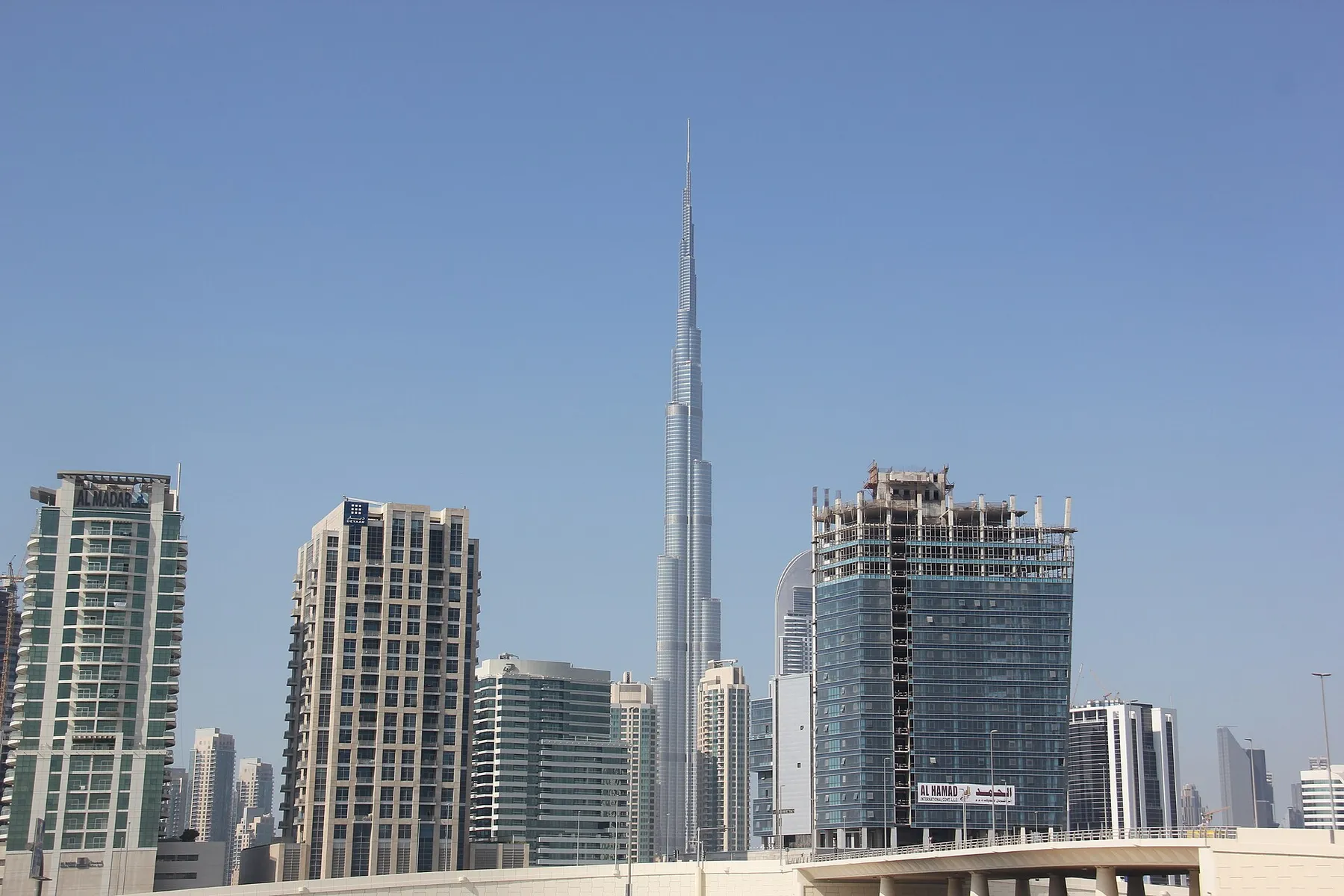
Burj Khalifa in Dubai is the world's tallest completed building at 828 metres architectural height. It was completed in 2010 and still holds the record.
Do spires count toward a building's height?
Yes. The ranking measures to the architectural top, including permanent spires but excluding antennas and other functional equipment.
When does a building count as completed?
A completed building must be topped out, fully clad and at least partly occupiable. Towers enter this list only after meeting those criteria.
What counts as a building rather than a tower?
At least half of the height must be occupiable. Broadcast masts and observation towers do not meet that definition and are excluded from the ranking.